Section 06
Styling and placement
Three shelves, one tray, and a rule about odd numbers. Styling a cart is mostly editing, and editing is mostly removing things.
Orientation
What this section covers
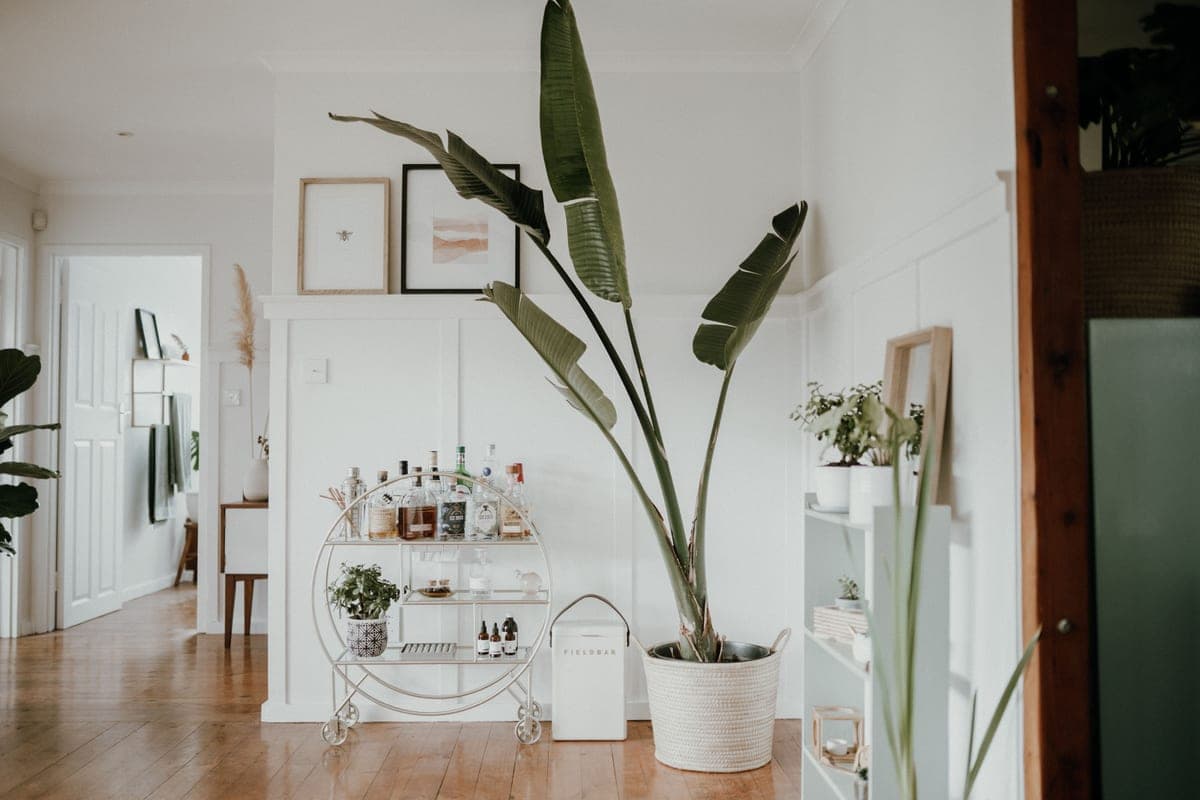
Styling a bar cart is mostly editing, and editing is mostly removing things. The carts that look composed in photographs are not carrying more objects than yours; they are carrying fewer, in three groups, at three heights, with one tray holding the whole arrangement together.
That is not a decorating opinion so much as a consequence of the arithmetic in the stocking section. A 24 inch shelf holds about six bottles in a row. Once you have also placed a tray, a bucket and two glasses, you are at capacity, and every additional object after that makes the cart read as storage rather than as a piece of furniture that happens to hold drinks.
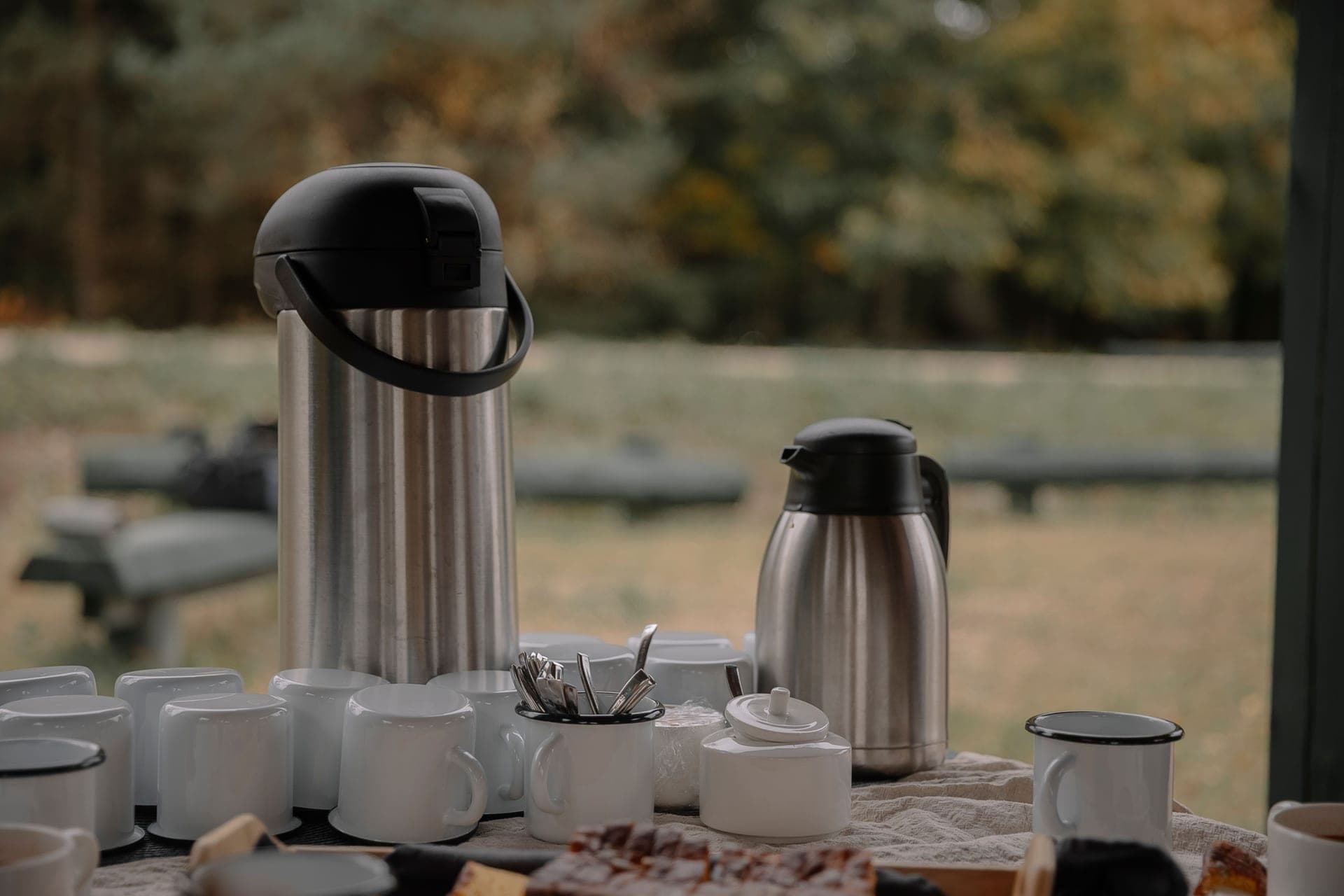
The pages below cover the arrangement itself, the wall above it — which is the most common unfinished part of a cart setup — where in a living room it actually belongs, and the honest alternatives when a cart is not the right object for the room you have. There is also the version with no alcohol on it at all — coffee, tea or mocktails — which is the same trolley with a different weight problem, and the version that has to absorb a second drink program and a layer of decoration at once: the holiday cart, where the deciding figure turns out to be the height of a champagne bottle. And one room imposes its own rules on all of this: bar carts for the kitchen is about counter height, cooking grease and why closed storage matters more there than anywhere else in the house.
Three more rooms impose their own arithmetic, and in each case it is a height or a depth that decides the purchase rather than a style. Bar carts for home offices starts from the fact that every cart is at least as tall as a desk, which is why one belongs behind the chair rather than against the desk. Bar carts for dining rooms is about the wall behind the chairs, where depth is the binding constraint and length is free. And bar carts for bedrooms answers the nightstand question with the measurement nobody checks first: a bedside table publishes about 24 inches and carts start at 30.
What to buy
The picks in this section
Best Cart Decor
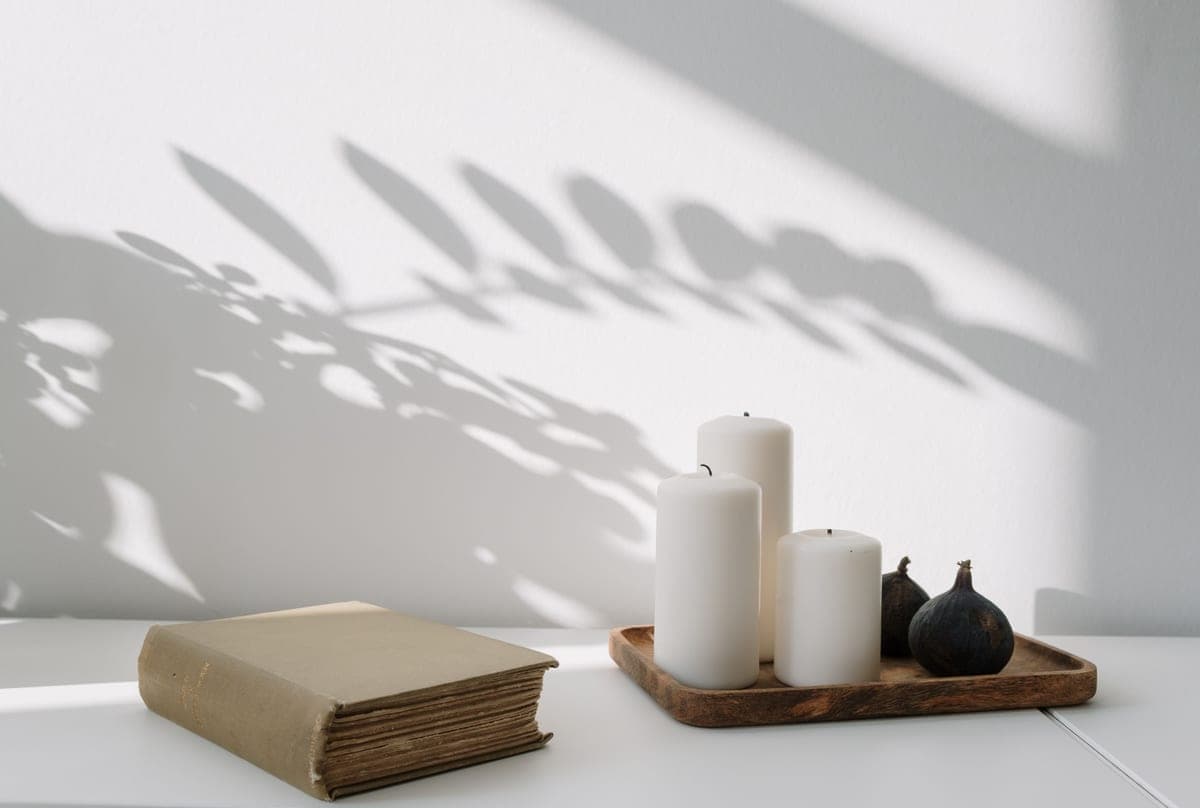
The decor that earns its space
Four objects that decorate a cart and do a job, compared on published dimensions.
Top pick: Mr. Ice Bucket Metallic Deco, 3 Quart

Best Holiday Cart Buy
Holiday bar cart ideas that actually fit
Champagne is 13 inches tall. Five holiday additions that earn their space, with the clearance math.
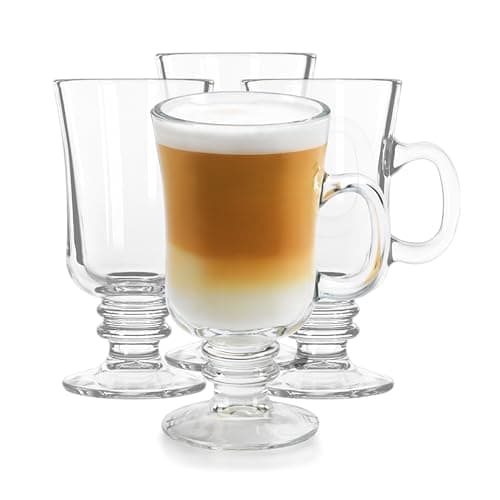
Top pick: Libbey Irish Coffee Glasses, 8.5 oz (set of 4, 5295)
Best Kitchen Cart
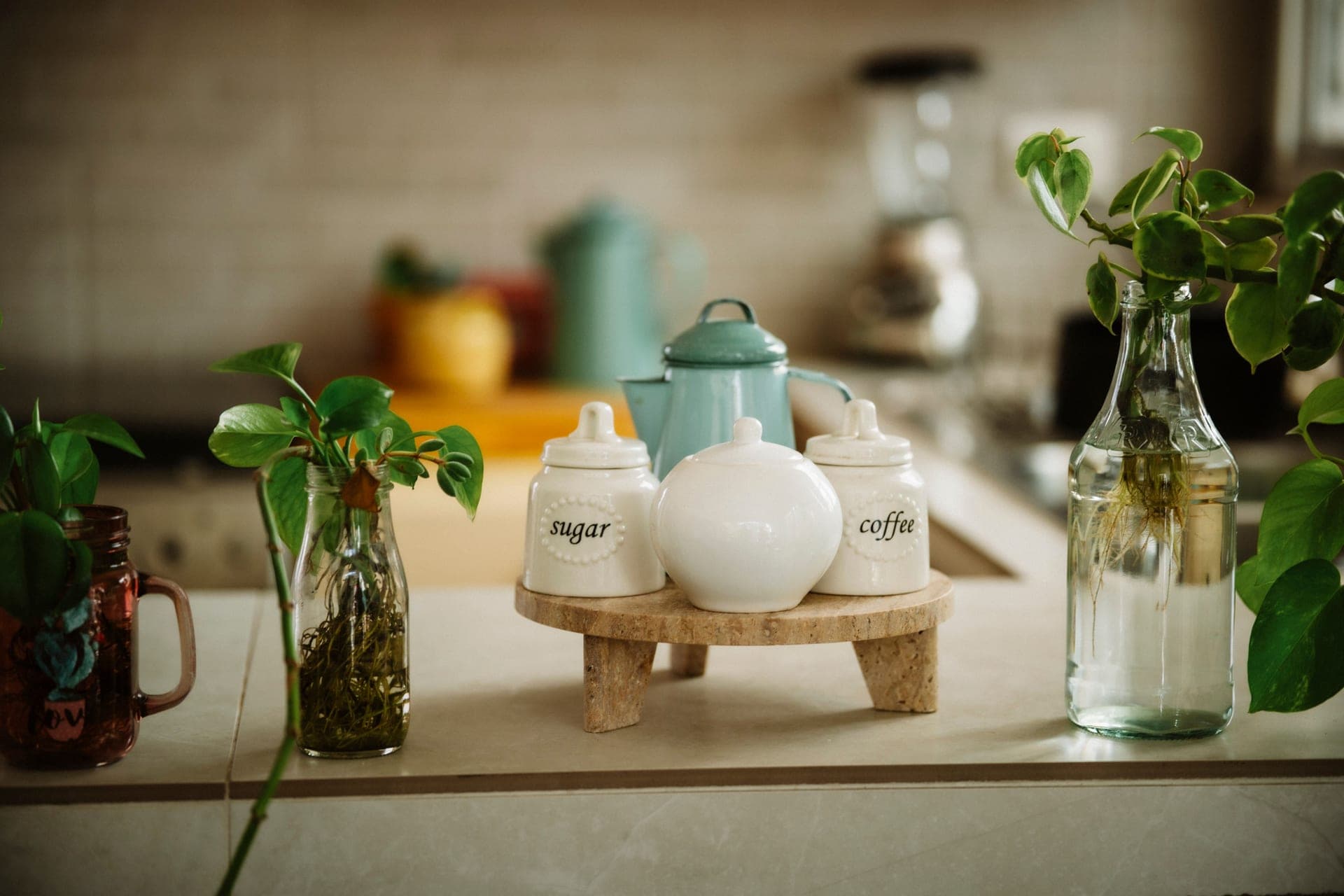
Bar carts for the kitchen
Five carts compared for kitchen use on height against a counter, wipe-clean surfaces and closed storage.
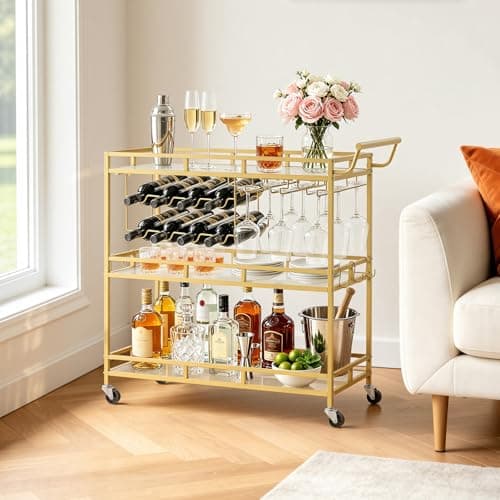
Top pick: VEVOR 3-Tier Glass Bar Cart (SS-4)
#ad Disclosure · Price as of October 17, 2026
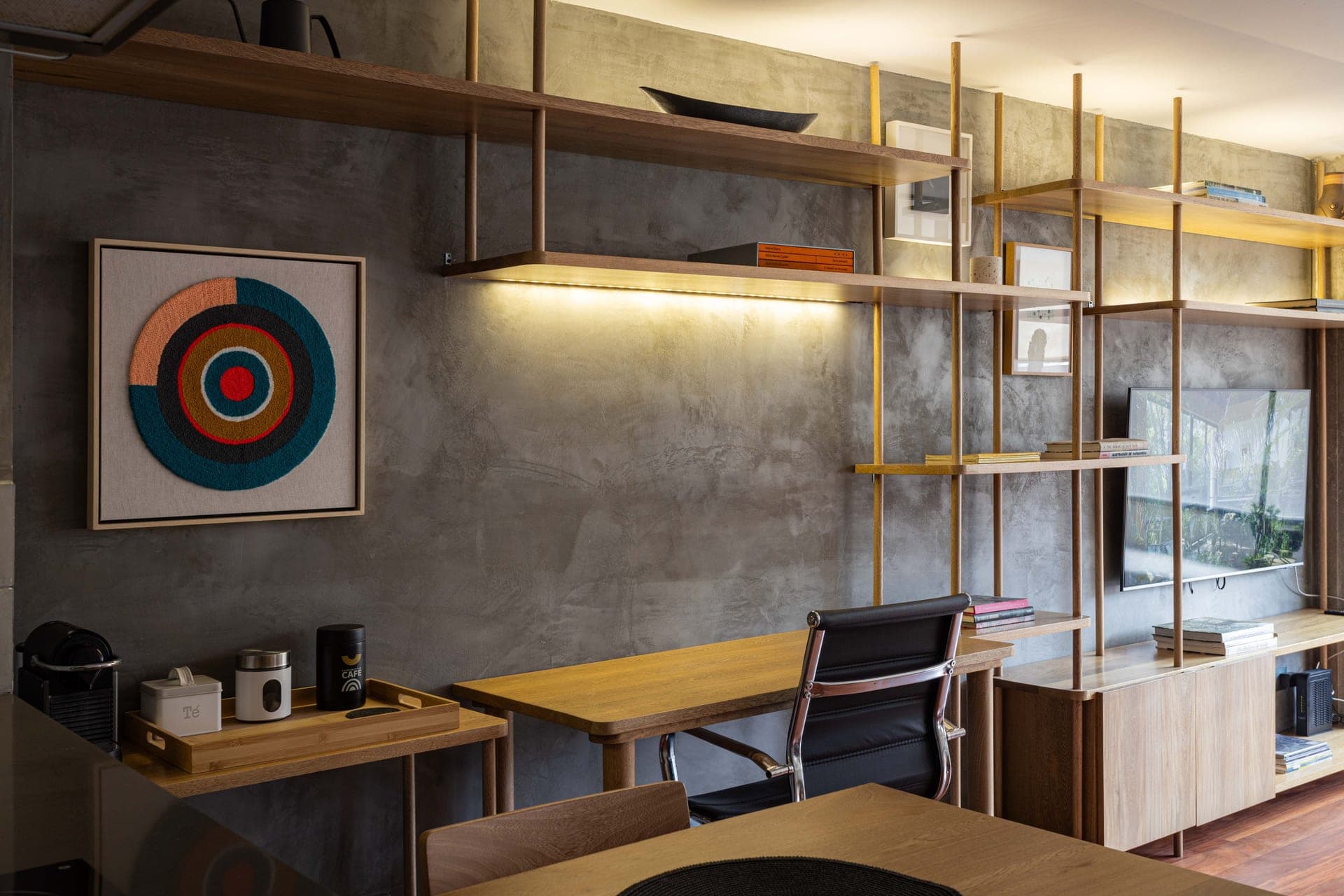
Best for a Home Office
Bar carts for home offices
Five carts for a working room, compared on height against a desk, closed storage and published load.
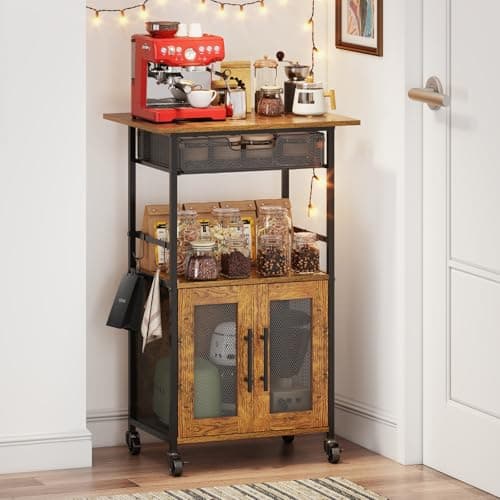
Top pick: Hencawima Slim 3-Tier Rolling Cart with 2 Doors (CFG-X)
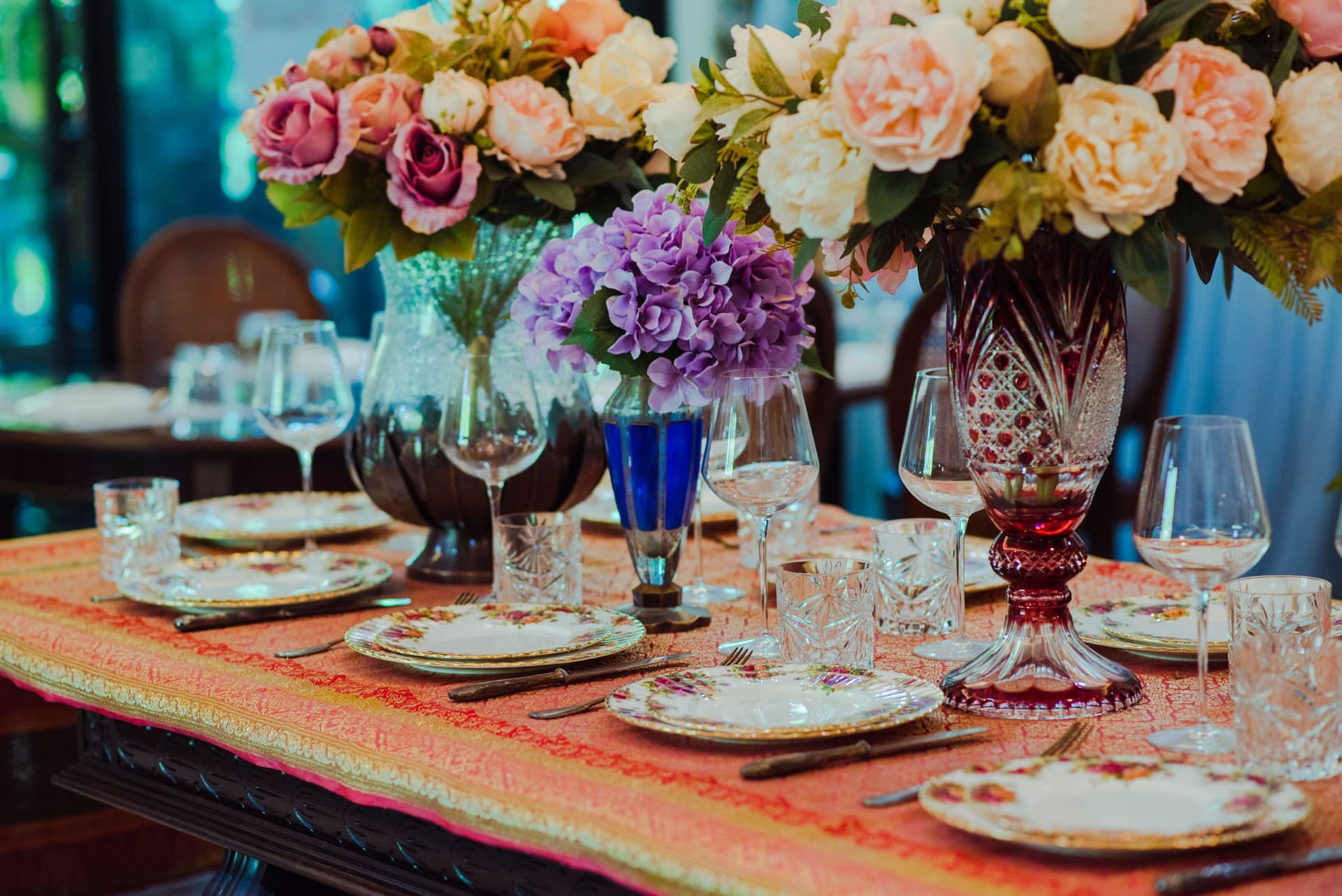
Best for a Dining Room
Bar carts for dining rooms
Five dining room carts compared on depth against the chair zone, length and published load.
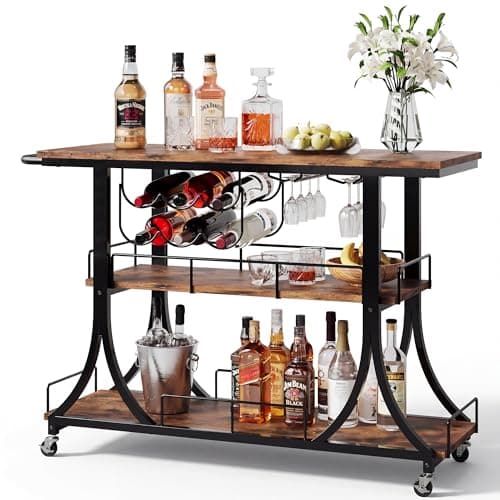
Top pick: PETKABOO 3-Tier Rustic Wooden Bar Cart (HSC123WF)
#ad Disclosure · Price as of October 17, 2026
Best for a Bedroom
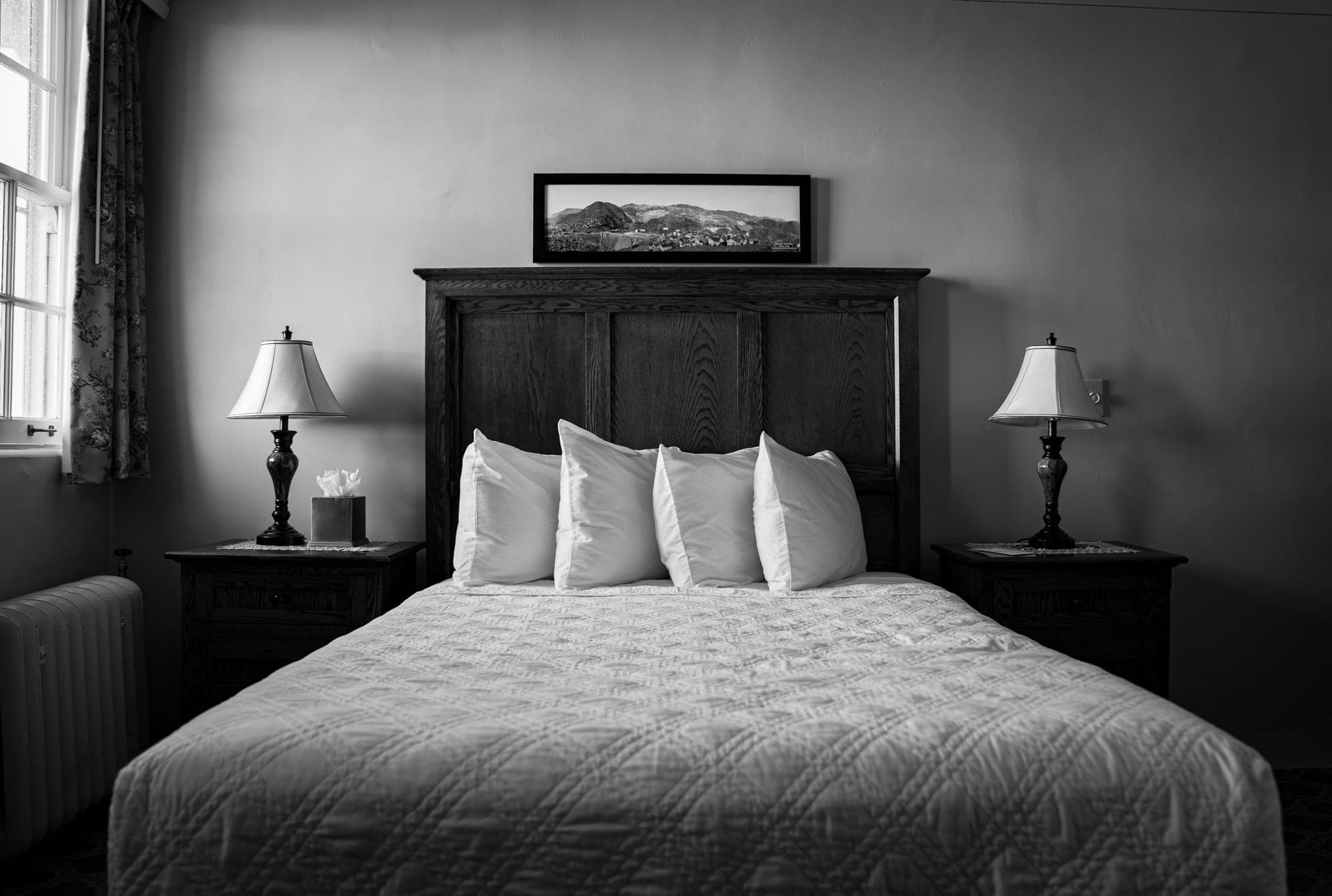
Bar carts for bedrooms, and the nightstand question
Five bedroom carts compared on height against a mattress, footprint and how many wheels lock.
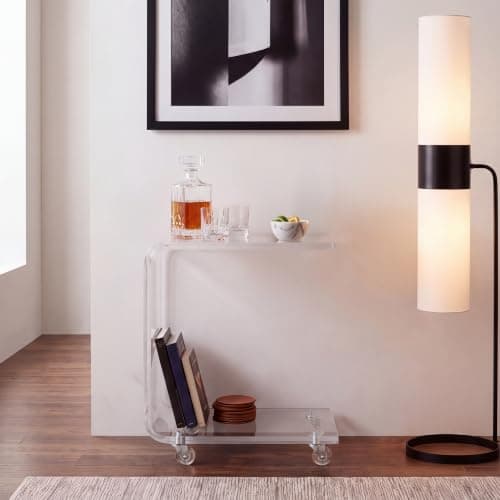
Top pick: SAFAVIEH Rollins Clear Acrylic Bar Cart (BCT8006A)
#ad Disclosure · Price as of October 17, 2026
Working it out
Guides and comparisons

The rest of the argument
The rules that survive contact with a real room
A tray is not decoration, it is a boundary. It groups the bottles into one object instead of six, it catches drips, and it lets you lift the entire arrangement to clean underneath. It is also the single cheapest thing that makes a cart look intentional. The constraint is depth: a standard tray is around 12 by 16 inches, and a cart shallower than about 15 inches cannot take one flat.
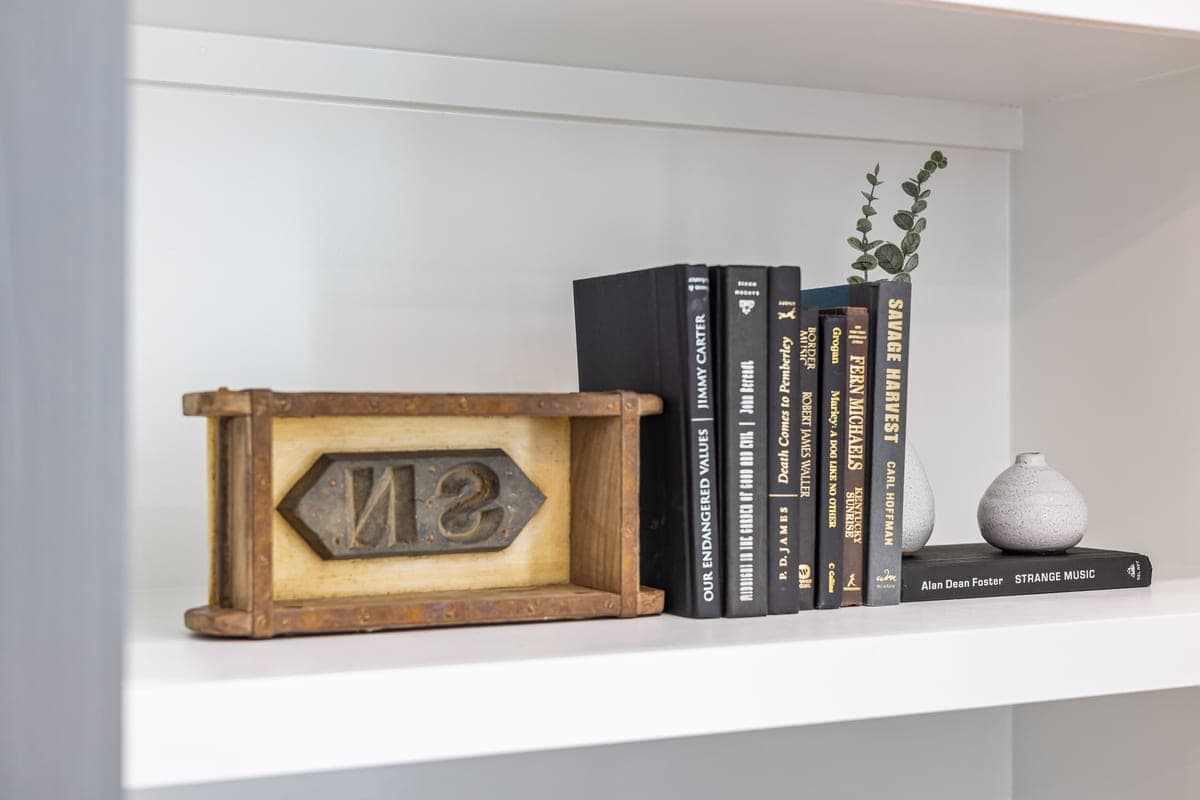
Three heights, not one. The reason a well-styled cart reads well is that the eye has somewhere to travel: something tall at the back (bottles, or a lamp), something mid-height in the middle (the bucket, a stack of two books), and something low at the front (glasses, a small dish). Everything at the same height reads as a shelf in a shop.
Odd numbers, and leave a gap. Three groups beat four. Empty space on a shelf is not wasted space; it is what tells a viewer the arrangement was chosen. The most common mistake is treating a cart as storage that also has to look good, and the two goals genuinely conflict — which is the honest case for a cabinet instead if you own more than a cart's worth of bottles.
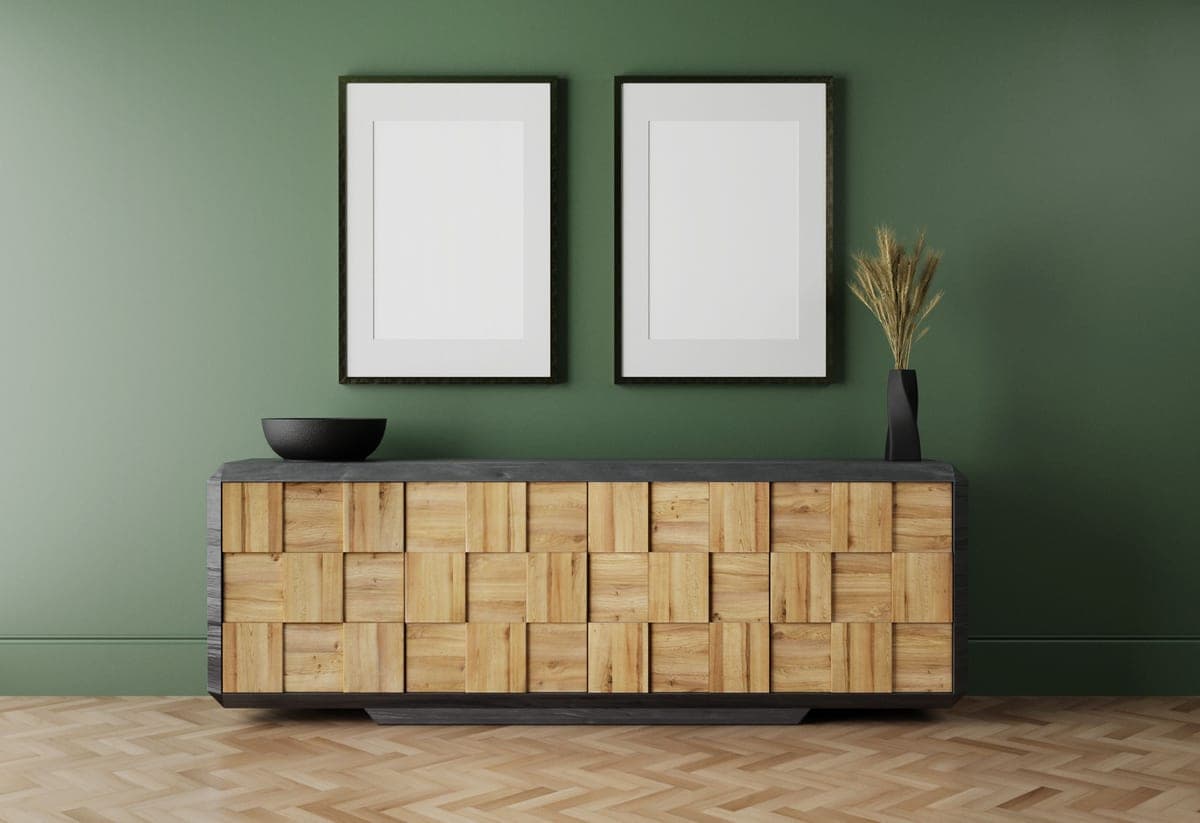
The wall above the cart is part of the cart. An unstyled wall makes even a perfectly arranged cart look temporary, like something delivered rather than placed. A single piece of art hung roughly 6 to 10 inches above the top shelf, or a mirror if the corner is dark, finishes it; two small frames usually do not. The wall guide covers the sizing.
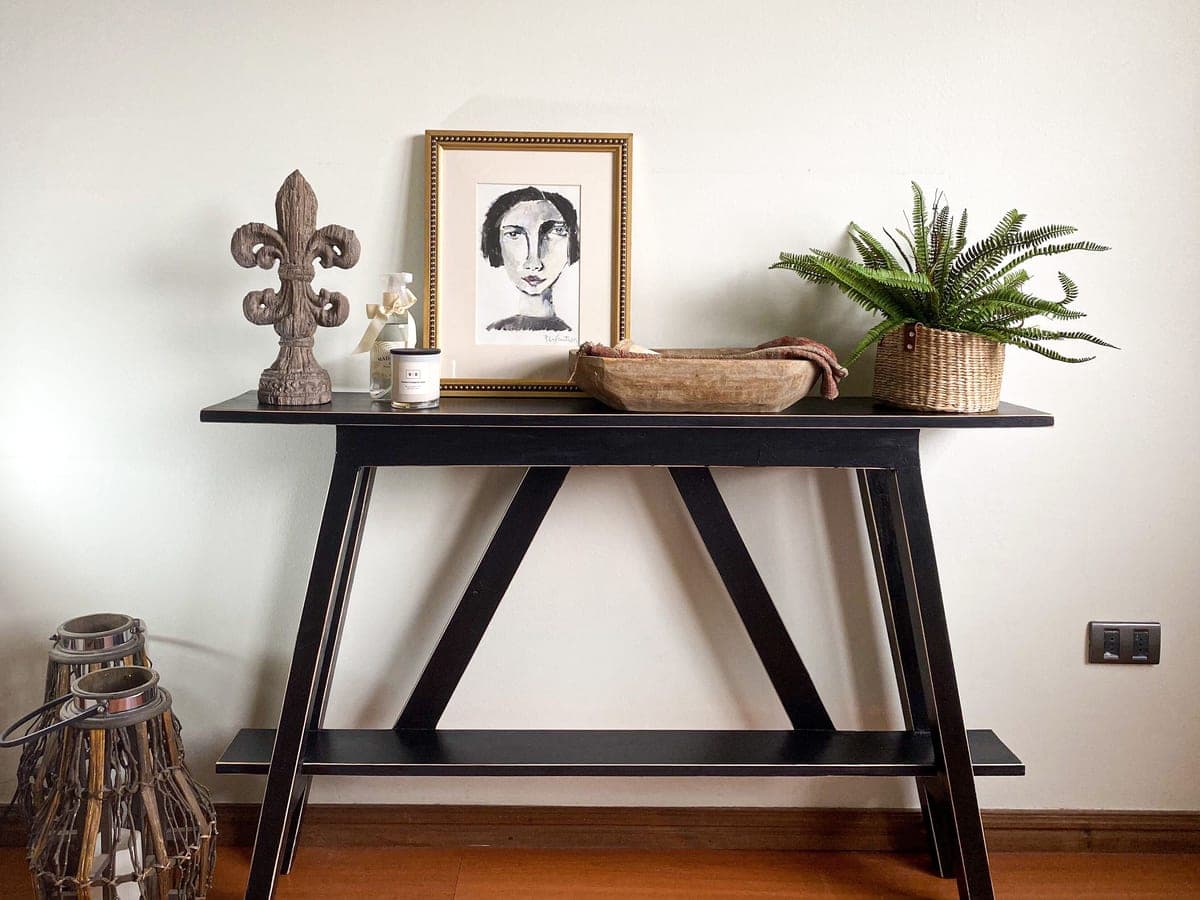
And if the room genuinely cannot take a cart, the alternatives are real rather than consolation prizes: a console table gives you more surface and no mobility, and floating shelves give you the display with no floor footprint at all. Both are covered here, and both beat a cart wedged into a space that cannot hold it.
Every page in this section: How to style a bar cart · The decor that earns its space · What to put above a bar cart · Bar cart ideas for small spaces · A bar cart without the bar · Bar cart ideas for living rooms · Holiday bar cart ideas that actually fit · Bar cart or console table? · Bar cart or floating shelves? · Bar carts for the kitchen · Bar carts for home offices · Bar carts for dining rooms · Bar carts for bedrooms, and the nightstand question