Section 02
Styles and finishes
Finish is the first thing anyone decides and the thing they most often regret. Here is what each one actually looks like in a room, and how it ages.
Orientation
What this section covers
Finish is the first decision anyone makes about a bar cart and the one they most often regret, because a finish is chosen from a photograph and lived with under a lamp. Gold is by far the most searched — measurably so; the term carries 4,400 searches a month against a search results page made almost entirely of retailer filters — and it is also the finish that varies most between listings. Two carts both described as gold can be warm brass, cool champagne or a yellow that reads as plastic.
The useful way to think about it is to separate the frame from the shelf. The frame carries the style: gold, brass, black, chrome, walnut. The shelf carries the maintenance: mirrored glass, clear glass, wood-look particleboard, metal. Most carts mix one of each, and most regret comes from the shelf rather than the frame. A gold frame you tire of is a decorating problem; a mirrored shelf you have to wipe daily is a habit.
Below are the roundups for the finishes people actually search for — gold, black, wood and brass, the last of which is a far smaller and more expensive market than the other three — plus industrial, which is not a finish so much as a construction, and where the gap between what a listing implies and what it delivers is widest. Then the comparisons that settle the questions those roundups raise: gold against brass, and glass against mirrored glass.
Then the finishes and materials people search for by name, each with its own problem to solve. Vintage and retro separates the carts you can actually order from the antiques you cannot. Rattan and wicker turns on whether the weave is a plant or a plastic, which decides where the cart can live. Acrylic publishes better load figures than the material suggests. Silver and chrome is three different metals sold under one word. And white is the one finish where no cart publishes a capacity at all, so it has to be judged another way. Underneath most of them sits the same shelf material: glass bar carts covers the two numbers — thickness and a per-shelf rating — that decide whether a glass shelf is furniture or decoration, and how rarely both get printed. Its reflective cousin gets its own page: mirrored bar carts is about what the most photogenic surface in the category costs in upkeep. One more surface is sold on a claim rather than a specification: marble bar carts finds that four of the five you can buy have a photograph of stone printed on board — and that one listing says so in its own words.
What to buy
The picks in this section
Best Gold Cart
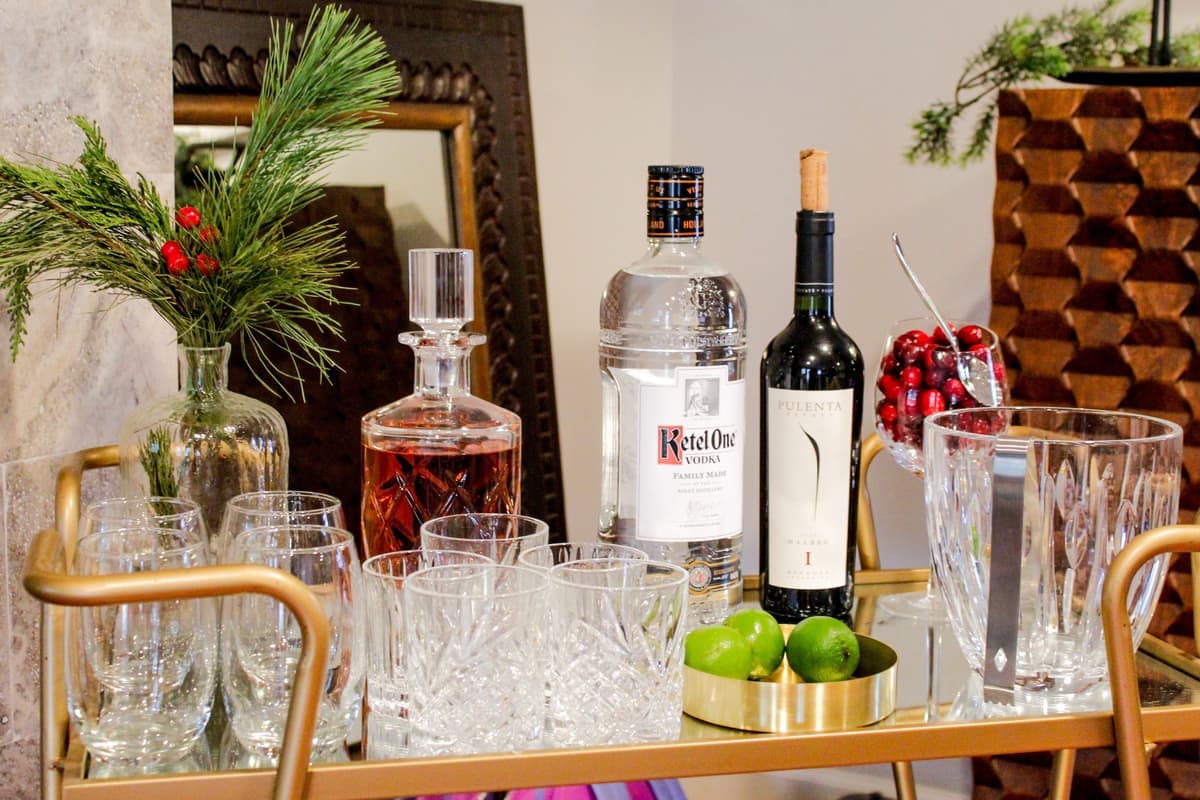
The gold bar carts worth the money
Five gold carts compared on published depth and shelf rating, plus how the finish wears.
Top pick: VASAGLE Gold Bar Cart (ULRC100A01)
Best Black Cart
Black bar carts, compared
Four black-framed carts compared on published figures, and where black beats gold.
Top pick: Nathan James Sally Rolling Bar Cart
Best Wood Cart
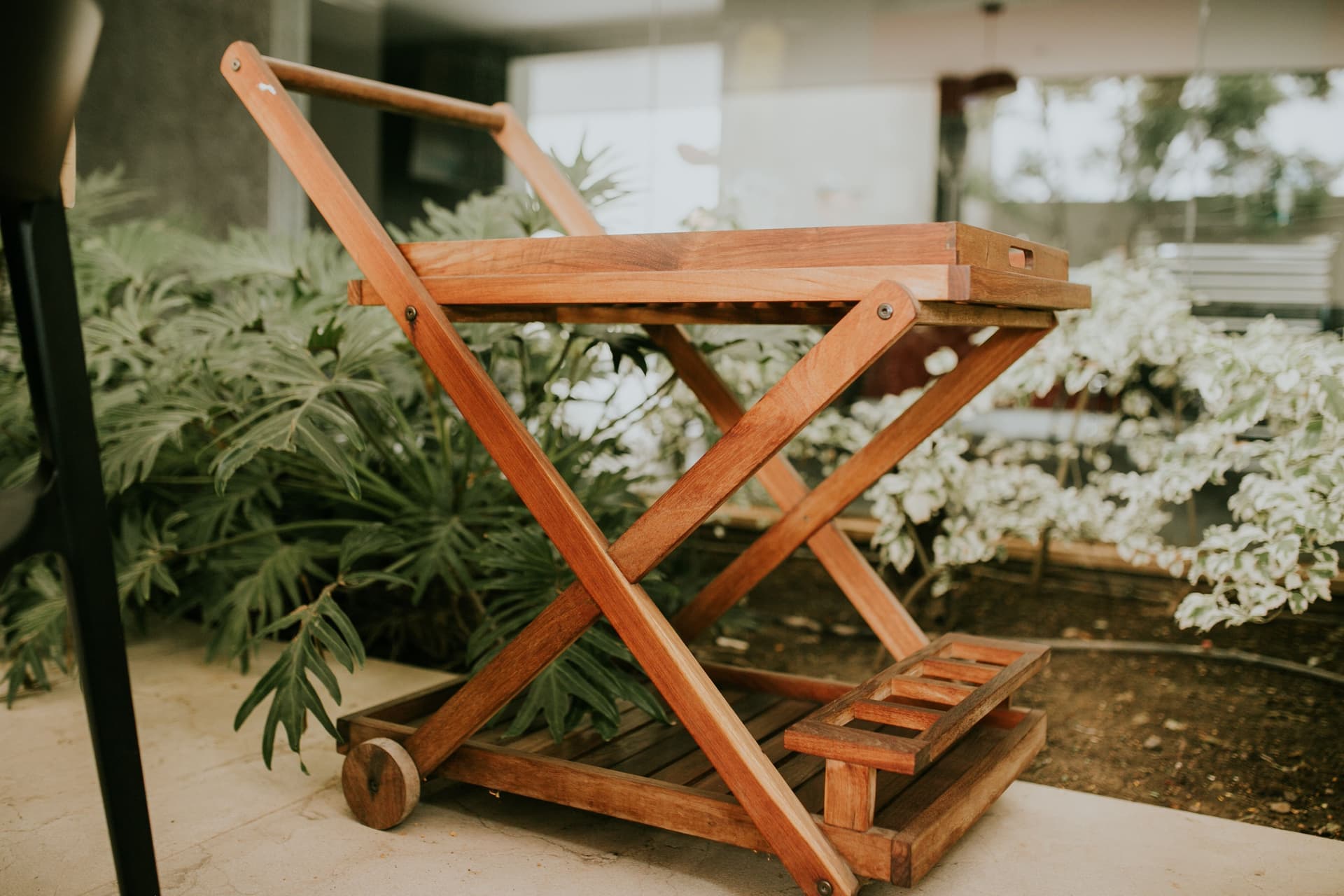
The wood bar carts worth the money
Five wood carts compared on published load ratings and depth, with the real material named on each.
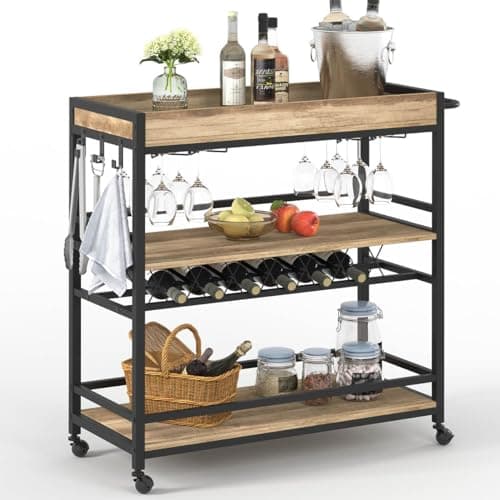
Top pick: BON AUGURE 3-Tier Bar Cart, Vintage Oak (BNG-BC1841-V)
#ad Disclosure · Price as of October 17, 2026
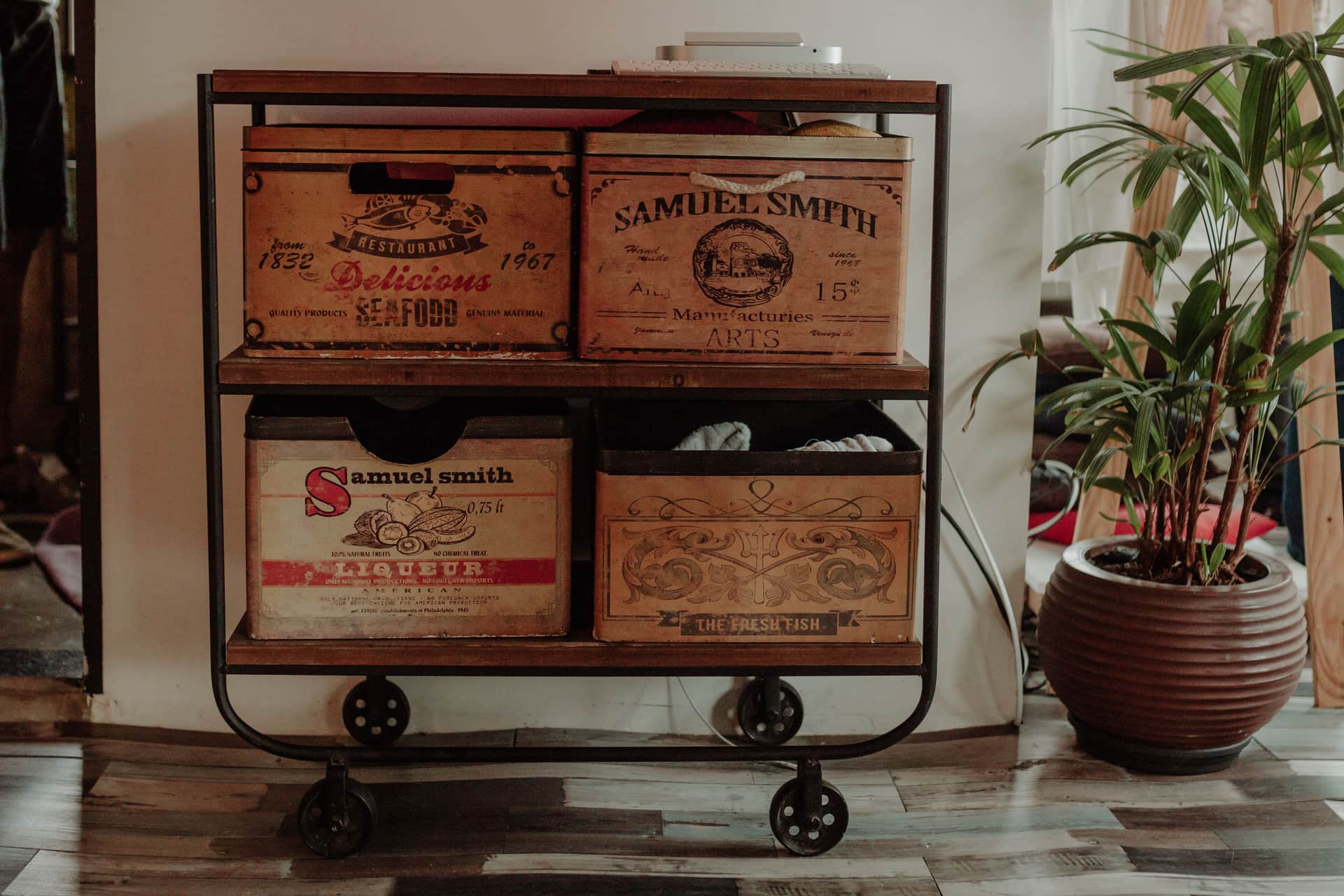
Best Industrial Cart
The industrial bar carts worth the money
Five industrial carts compared on published load ratings and depth, and what each frame really is.
Top pick: BON AUGURE 3-Tier Bar Cart, Vintage Oak (BNG-BC1841-V)
#ad Disclosure · Price as of October 17, 2026
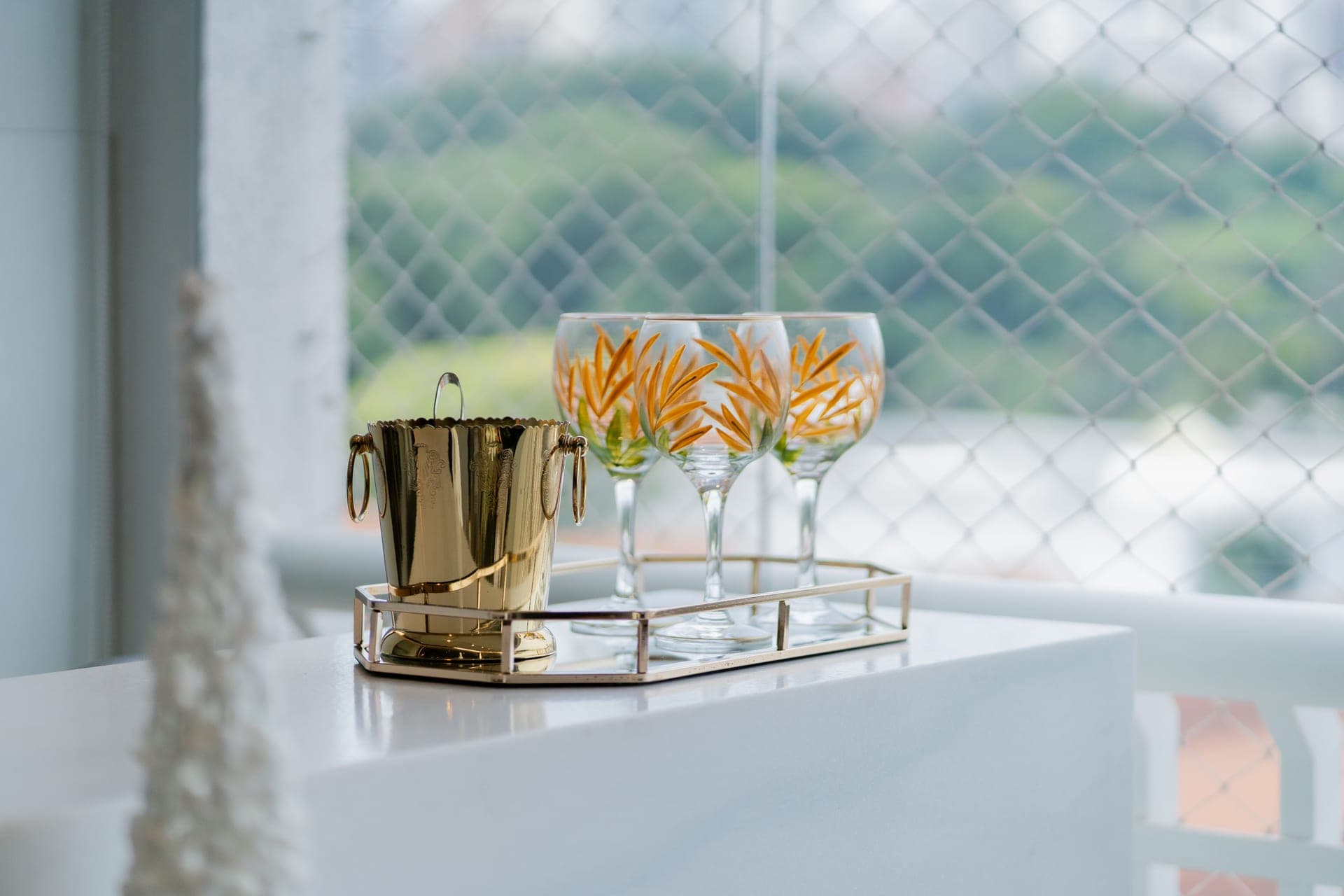
Best Brass Cart
The brass bar carts worth the money
Three brass carts compared on published capacity, depth and height — and why the category is so small.
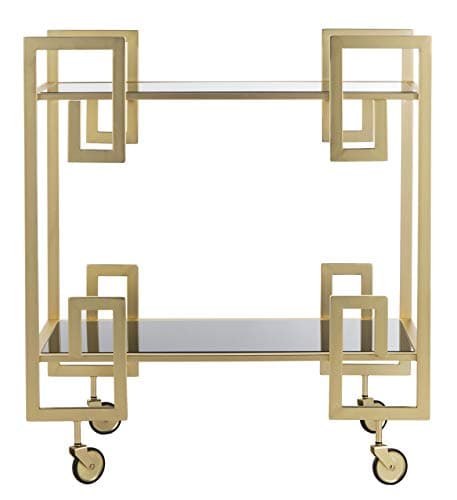
Top pick: Safavieh Eliza Bar Cart, Brass and Black Glass (BCT8005A)
#ad Disclosure · Price as of October 17, 2026

Best Vintage-Style Cart
Vintage and retro bar carts you can actually buy
Five vintage-style carts compared on published numbers — plus why a real antique is a different purchase entirely.
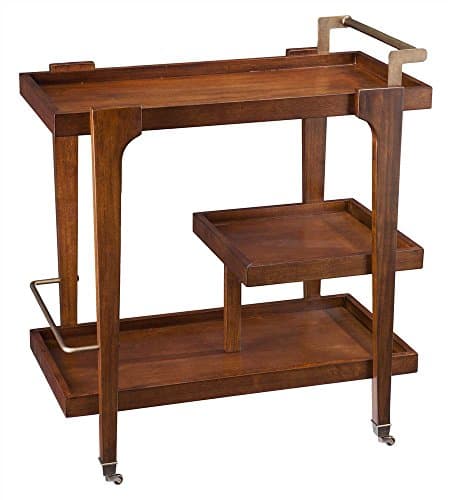
Top pick: Holly & Martin Zhori Midcentury Modern Bar Cart (HZ2031)
#ad Disclosure · Price as of October 17, 2026
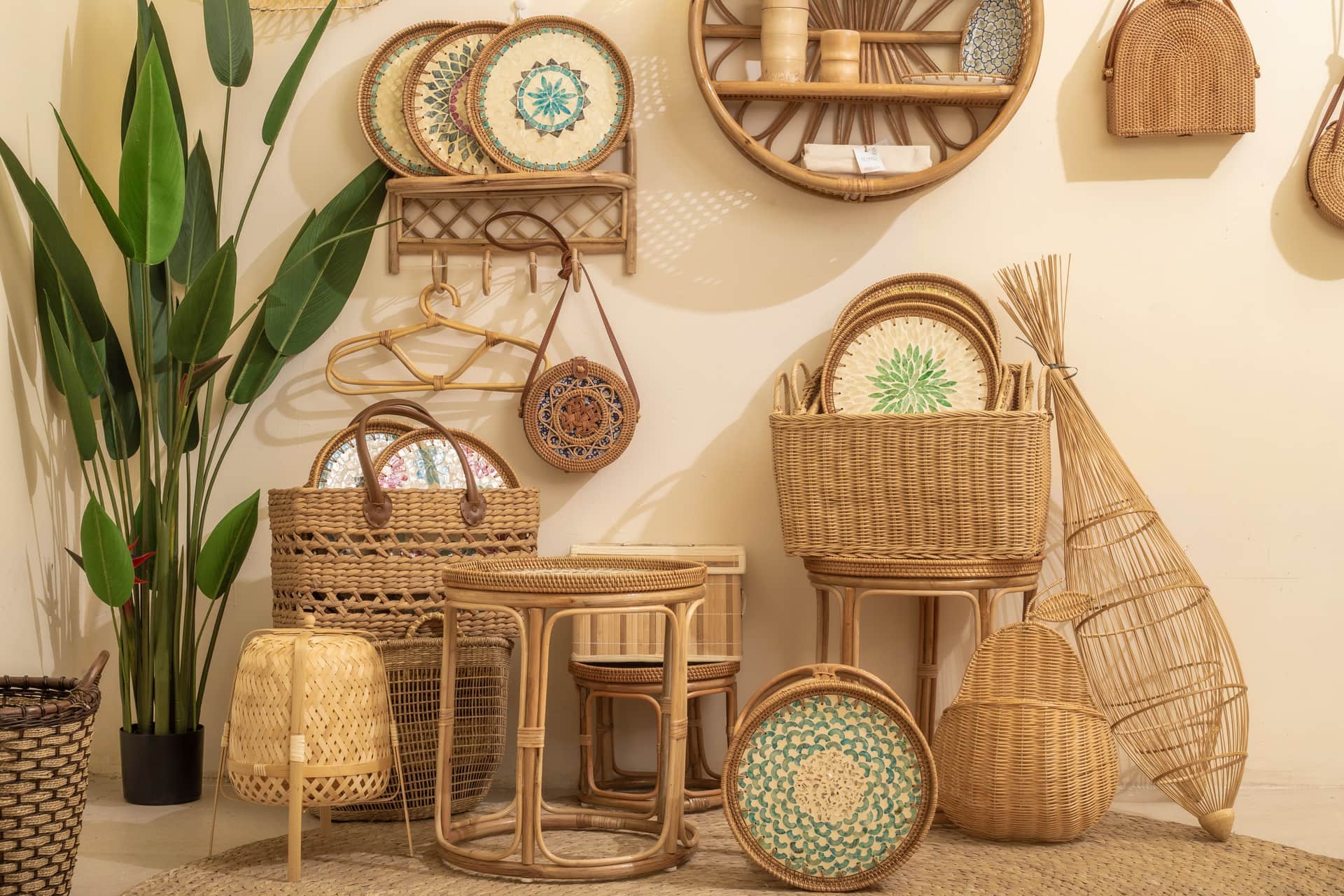
Best Rattan Cart
Rattan and wicker bar carts, compared
Five rattan and wicker carts compared on published weight and shelf gap — and which weave survives a patio.
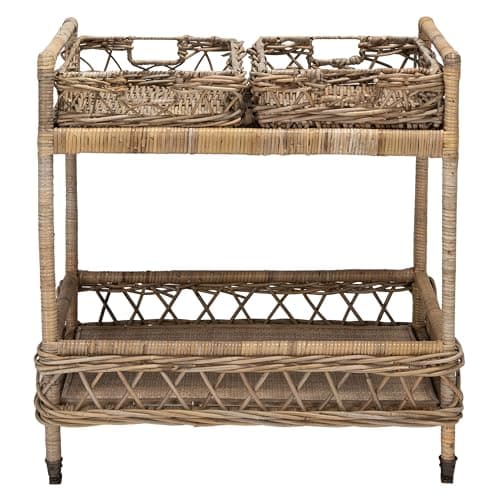
Top pick: SAFAVIEH Ambrose 2-Tier Rattan Bar Cart (BCT6500A)
#ad Disclosure · Price as of October 17, 2026

Best Acrylic Cart
Acrylic bar carts, compared
Five acrylic carts compared on published load, shelf gap and locking wheels — plus the one thing acrylic does badly.
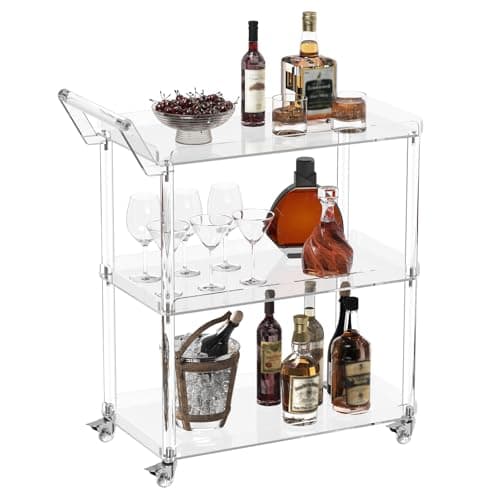
Top pick: HMYHUM 3-Tier Acrylic Bar Cart, 30.5 inch (01018)
#ad Disclosure · Price as of October 17, 2026
Best Silver Cart
Silver and chrome bar carts, compared
Five silver and chrome carts compared on published load, depth and gap — and the three different metals sold under one word.
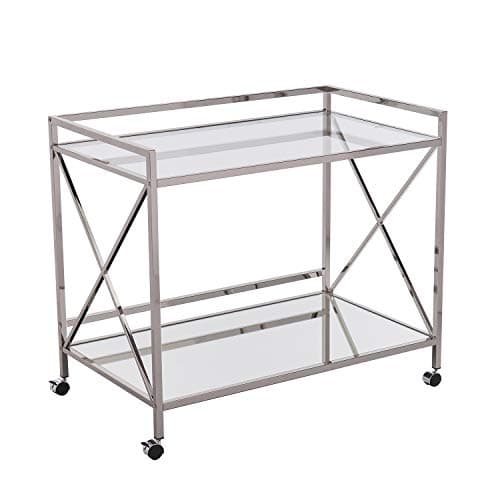
Top pick: SEI Furniture Maxton Polished Steel Bar Cart (AMZ0402ZH)
#ad Disclosure · Price as of October 17, 2026
Best White Cart
White bar carts, and what to check instead
Four white carts compared on structure, rails and storage — the specs that matter when nobody publishes a load rating.
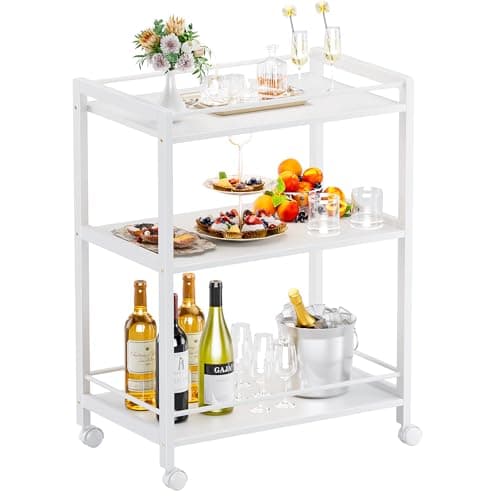
Top pick: HITNET White 3-Tier Bar Cart with Bamboo Frame (MTC-WH)
#ad Disclosure · Price as of October 17, 2026
Best Glass Cart
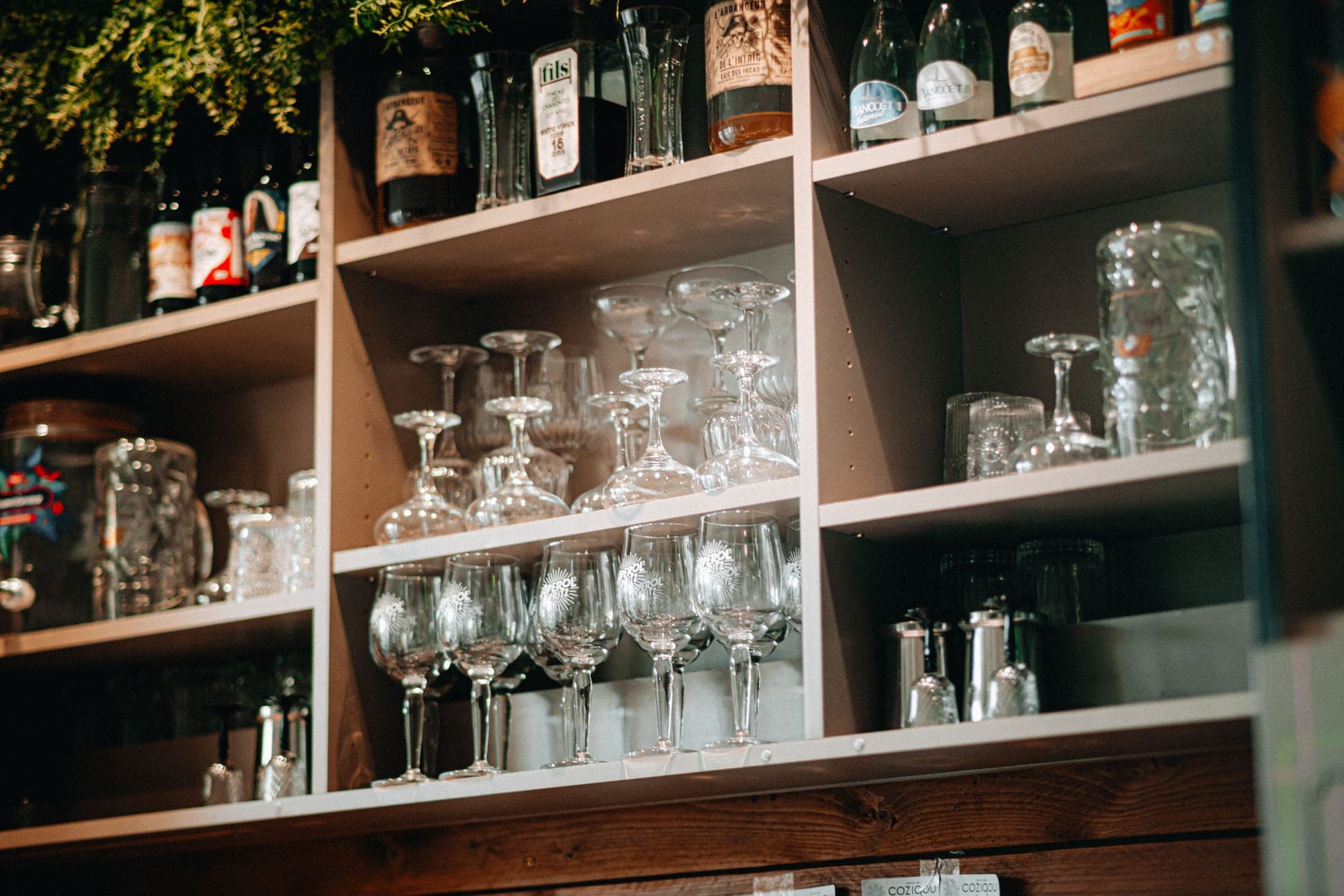
Glass bar carts, and the two numbers that matter
Six glass carts compared on glass thickness, per-shelf rating and rails — and the one cart that publishes both numbers.

Top pick: MAHANCRIS 3-Tier Glass Bar Cart, Gold (ARCJ40B01)
Best Mirrored Cart
Mirrored bar carts, and what they cost in upkeep
Five mirrored carts compared on published load, depth and how much wiping the finish demands.
Top pick: SEI Furniture Maxton Polished Steel Bar Cart (AMZ0402ZH)
#ad Disclosure · Price as of October 17, 2026

Best Marble Cart
Marble bar carts, and which one is actually marble
Five marble carts compared on what the top is actually made of, published load and footprint.
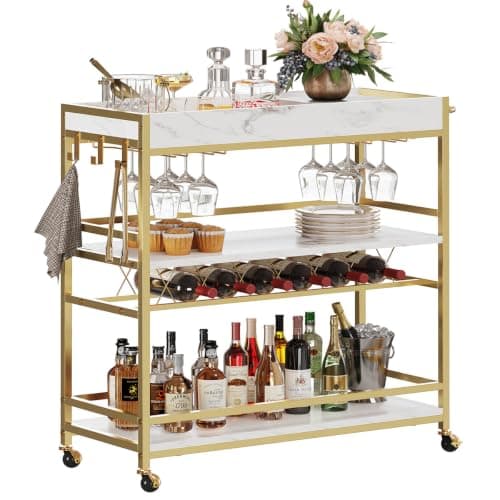
Top pick: BON AUGURE 3-Tier Bar Cart, Faux Marble and Gold (BNG-BC1868-G)
#ad Disclosure · Price as of October 17, 2026
Working it out
Guides and comparisons


The rest of the argument
How each finish ages, and which room it suits
Gold on a cart in this price band is almost always a finish applied over steel, not a solid metal. That matters for one practical reason: when it scratches, a different color shows underneath. It scratches where things are dragged rather than where they are set down, which in practice means the edges of shelves and the top of the handle. Nothing about that makes gold a bad choice — it makes it a choice you protect with a tray rather than with care.
Brass proper is a different material with a different behavior: it develops a patina, unevenly, faster where hands touch it. A lot of people who say they want brass want gold that will not change, and a lot of people who buy gold were hoping for the depth that only real brass has. That confusion is the entire subject of the gold-versus-brass page.
Black is the finish that disappears. In a room with dark furniture a black frame reads as structure rather than as an object, which is exactly right if the cart lives somewhere you did not really want a cart. It also shows dust more than any other finish, particularly with glass shelves, and it is the least forgiving background for the mismatched bottles that a real bar cart accumulates.
Wood and wood-look shelves are the practical middle. They hide rings, they warm up a metal frame, and on a budget cart they are engineered wood, which has a cut-edge weakness worth knowing about before you set a wet glass on the corner. Which of the four materials sold as wood you are actually buying is the whole subject of the wood cart roundup. The finish guide walks through matching a frame to what is already in the room, which is a more reliable method than matching it to a mood board.
Two style pages sit here as well because the eras carry real design rules rather than just a look: art deco and mid-century modern. Knowing which one you are aiming at narrows the field faster than any filter, because the two eras disagree about almost everything: deco is symmetrical, stepped and heavy; mid-century is tapered, light and slightly off-balance on purpose.
Every page in this section: The gold bar carts worth the money · Black bar carts, compared · The wood bar carts worth the money · The industrial bar carts worth the money · The brass bar carts worth the money · Gold or brass? · Glass or mirrored shelves? · Art deco bar carts · Mid-century modern bar carts · How to choose a bar cart finish · Vintage and retro bar carts you can actually buy · Rattan and wicker bar carts, compared · Acrylic bar carts, compared · Silver and chrome bar carts, compared · White bar carts, and what to check instead · Glass bar carts, and the two numbers that matter · Mirrored bar carts, and what they cost in upkeep · Marble bar carts, and which one is actually marble