Section 05
Stocking the cart
A cart with nothing on it is furniture. This is the shortest honest list of bottles, glasses and tools that makes it a bar.
Orientation
What this section covers
A cart with nothing on it is furniture. Stocking one is the part almost nobody writes about properly, because it is where a buying guide has to stop describing objects and start making choices — which bottles, how many glasses, which tools, and what gets left in the kitchen.
The constraint everyone ignores is arithmetic. A standard 750 ml bottle is about 11.8 inches tall and 2.95 inches in diameter. A cart shelf 24 inches wide holds eight of those in a single row if you leave no gaps, which you will, so call it six. Add a coupe glass at 3.75 inches across the rim and the row is five bottles and two glasses. That is the real capacity of a shelf people imagine holding a whole bar.
Everything in this section works from that arithmetic. The roundups cover the glassware, the tools, ice buckets and tongs — chosen by height rather than by looks, because a bucket is the one thing that has to fit under a shelf — and trays, which is where the 12 by 16 inch figure this whole site keeps citing comes from. The guides cover the bottles and the order to buy them in, and the comparison settles the one glass question people actually argue about.
The same arithmetic decides the most popular thing people do with a cart that is not a bar. Setting up a coffee bar cart turns on three published numbers — the machine's height against the shelf gap, its wattage, and whether there is a reservoir — and weight, the thing everyone worries about, turns out not to matter at all.
Then the objects that go on top of all that. Decanters are chosen by height and capacity rather than by cut, and their stoppers do not seal. Bar mats are sized for a commercial counter, which is why the standard one overhangs most carts. Whiskey stones or big ice settles a question with one manufacturer's own temperature figure. Nick and Nora or coupe turns on which glass survives being carried. And wine glass racks saves more shelf area than anything else at the price — if your shelves are wood rather than glass.
What to buy
The picks in this section

Best Glassware
Bar cart glassware, chosen by height
Six glassware sets compared on published height and diameter, which is what a shelf cares about.
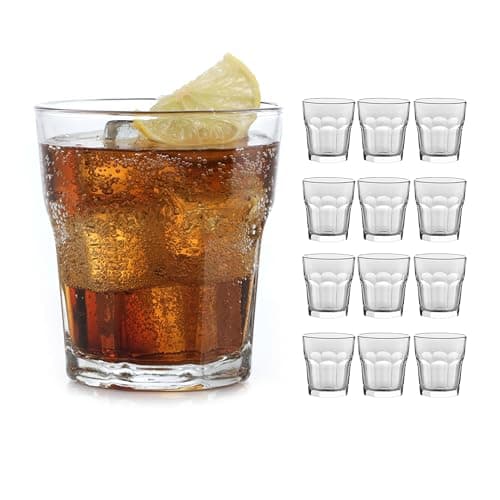
Top pick: Libbey Gibraltar DuraTuff Double Old Fashioned, 12 oz
#ad Disclosure · Price as of October 17, 2026
Best Tool Set
The bar tools worth owning
Four tool sets compared on contents and on the shelf space the packaging actually takes.
Top pick: Amazon Basics 8-Piece Stainless Steel Bar Tools Set
Best Ice Bucket
Ice buckets and tongs, sized to the shelf
Five ice buckets and tongs compared on published capacity, height and insulation.
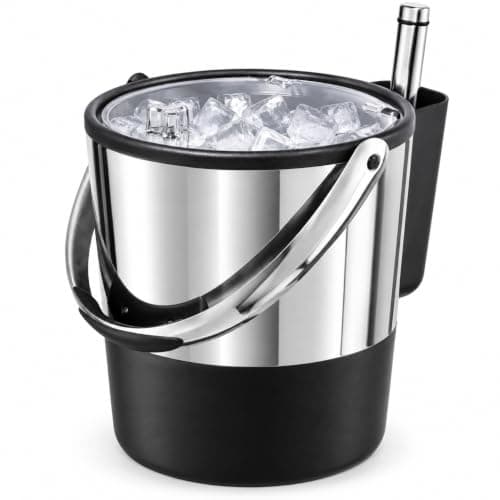
Top pick: Oggi Insulated Ice Bucket, 4 qt (7311AM)
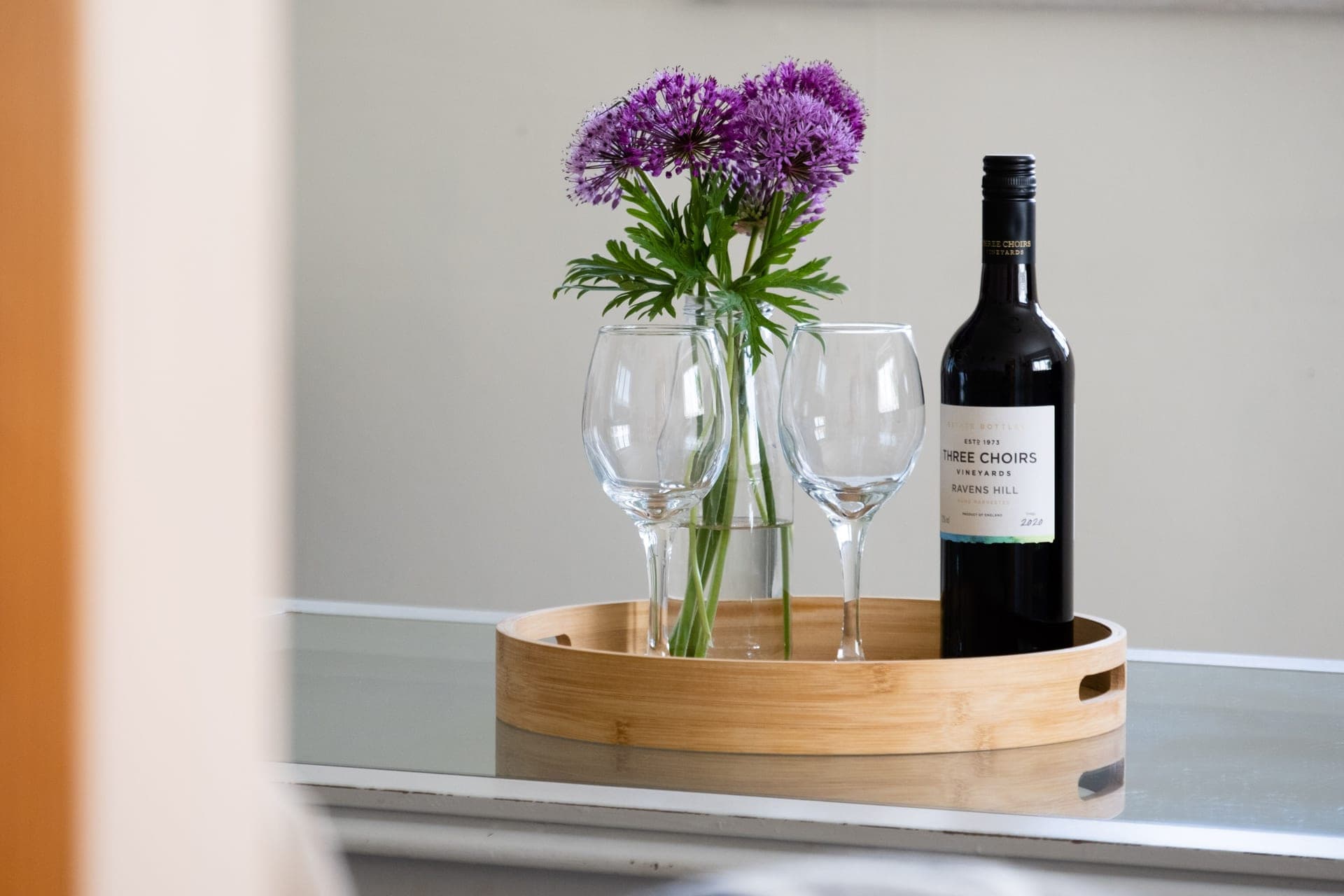
Best Bar Cart Tray
The bar cart trays worth the money
Five trays compared on published size, weight limit and material, against real shelf depths.
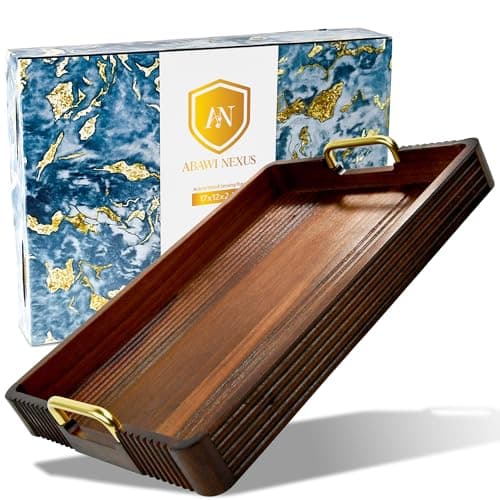
Top pick: Abawi Nexus Acacia Serving Tray, 17 x 13 in
#ad Disclosure · Price as of October 17, 2026
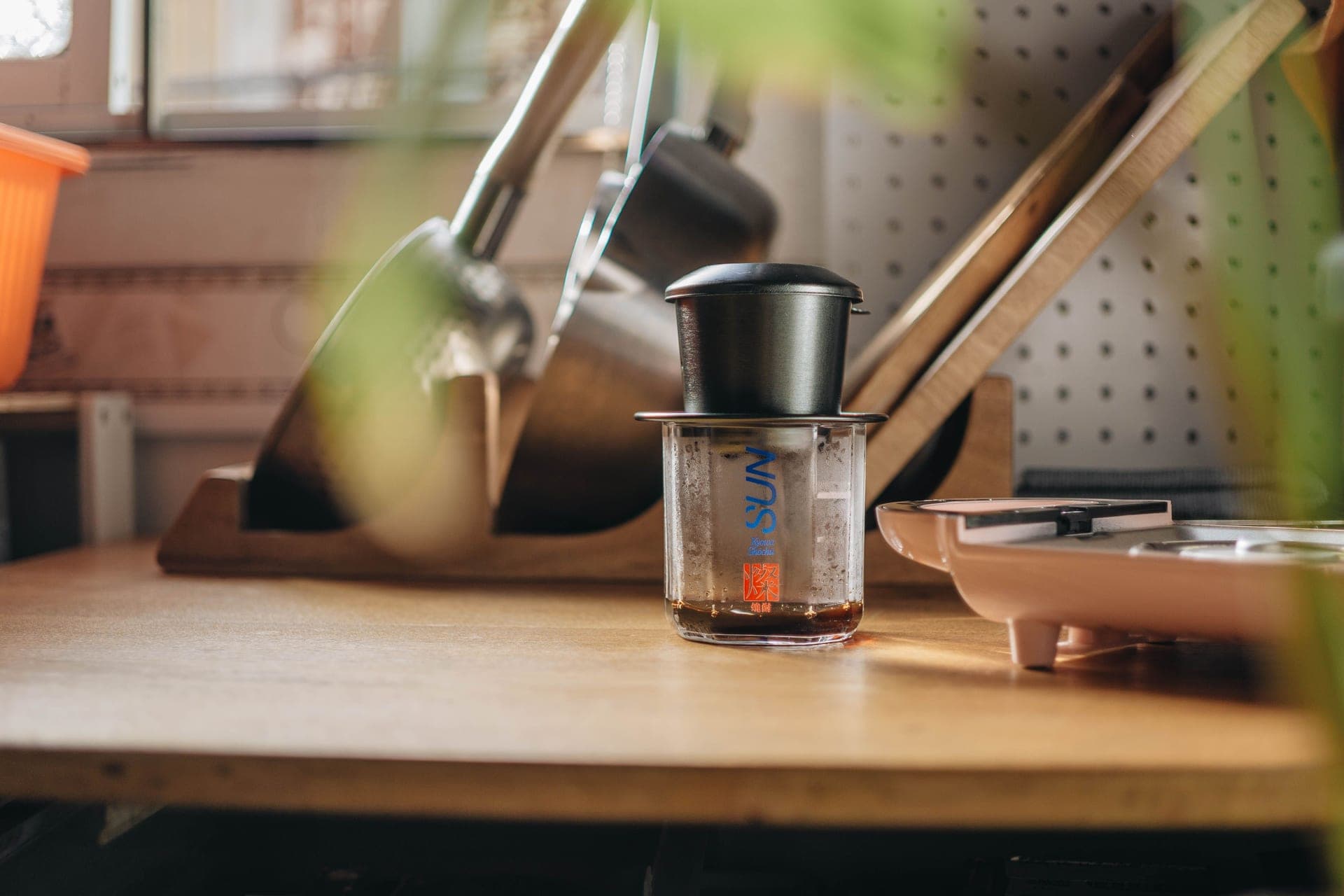
Best Coffee Cart Buy
How to set up a coffee bar cart
Machine height, watts and water decide a coffee cart — not weight. Six components that actually fit.
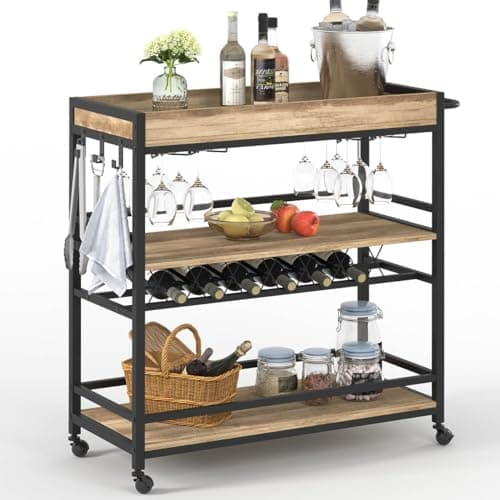
Top pick: BON AUGURE 3-Tier Bar Cart, Vintage Oak (BNG-BC1841-V)
#ad Disclosure · Price as of October 17, 2026
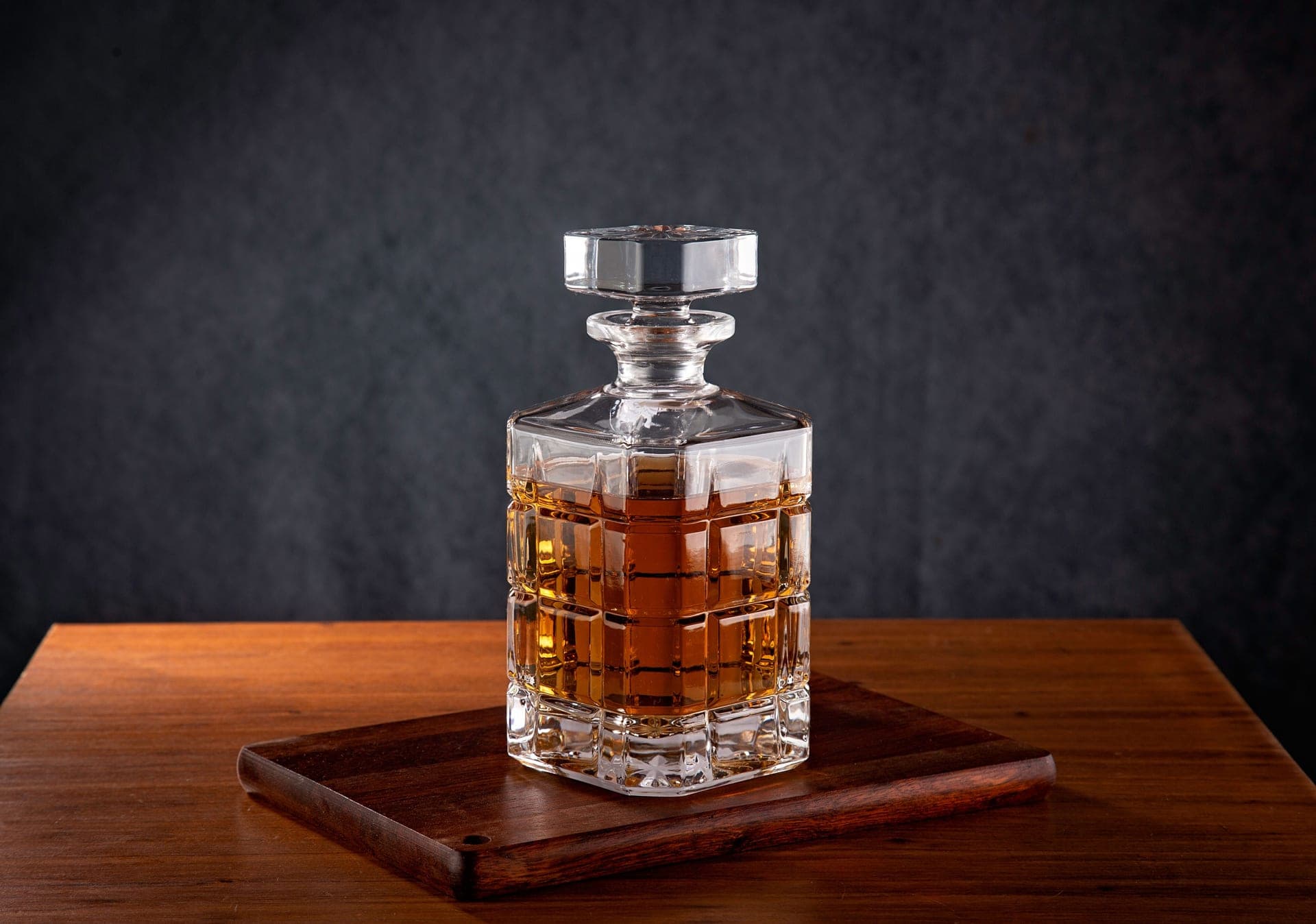
Best Decanter Set
Whiskey decanters, chosen by height and capacity
Four decanter sets compared on capacity against a 750 ml bottle, height against a shelf gap, and what a glass stopper really does.
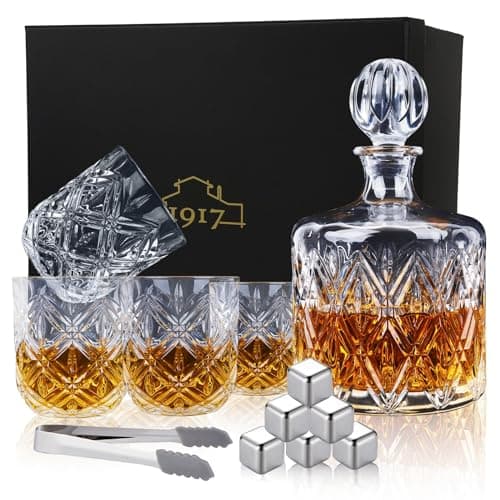
Top pick: 1917 Lead-Free Crystal Whiskey Decanter Set, 37 oz (41241-240)
#ad Disclosure · Price as of October 17, 2026
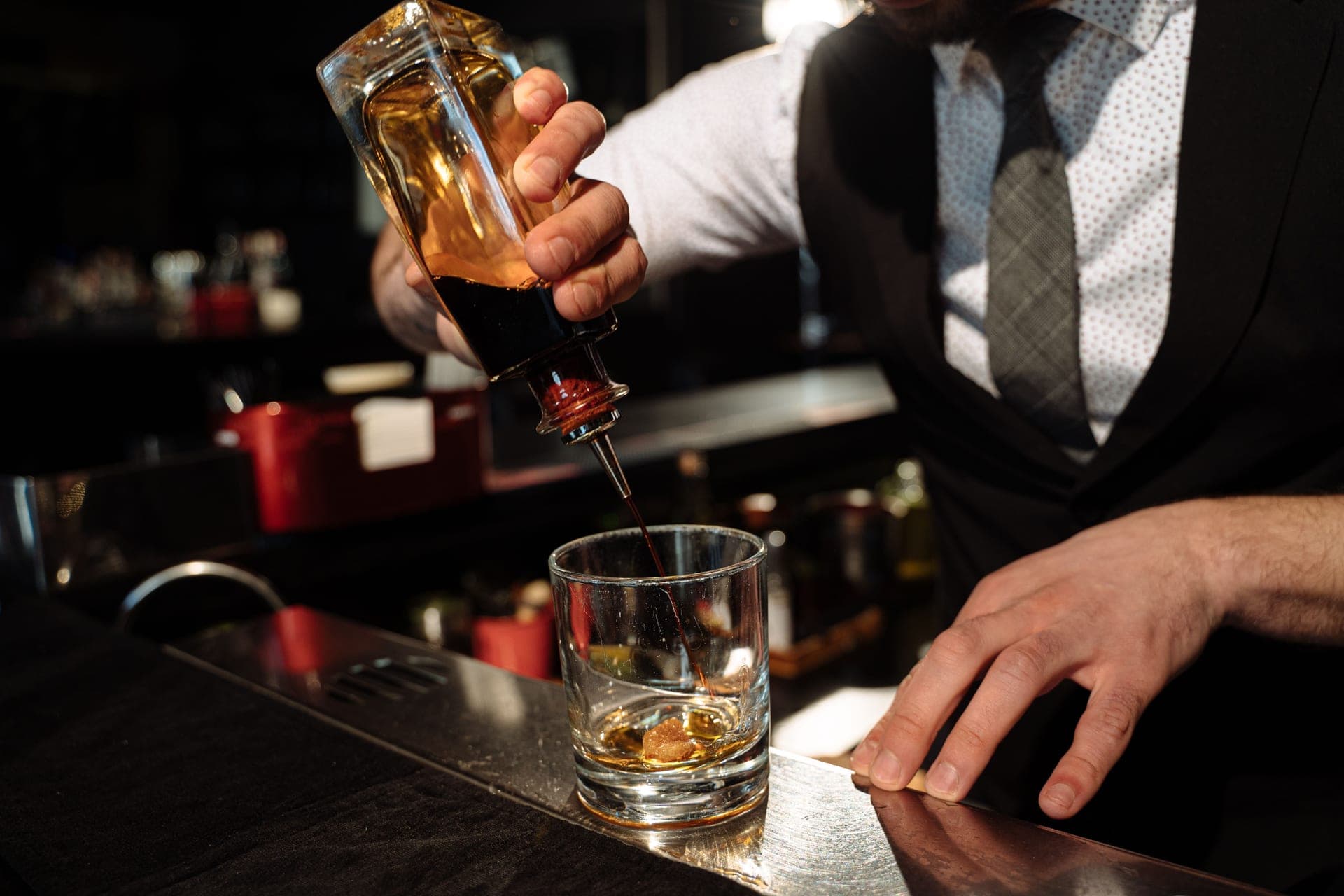
Best Bar Mat
Bar mats, and which ones fit a cart
Four bar mats compared on size against real cart depths, plus the rail-mat shape most cart owners actually need.
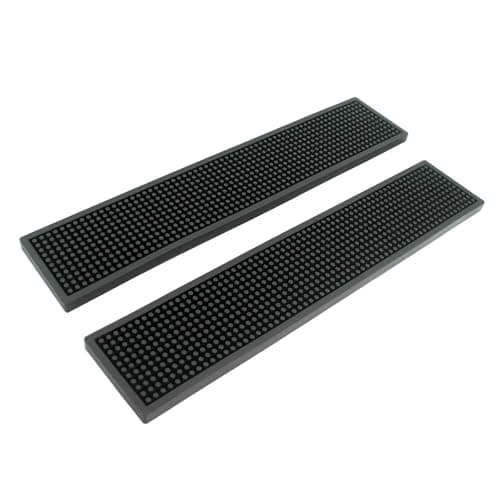
Top pick: BARsics PVC Bar Rail Mat, 17.5 x 3.5 inch, 2-Pack (P06BK02)
#ad Disclosure · Price as of October 17, 2026
Best Stemware Rack
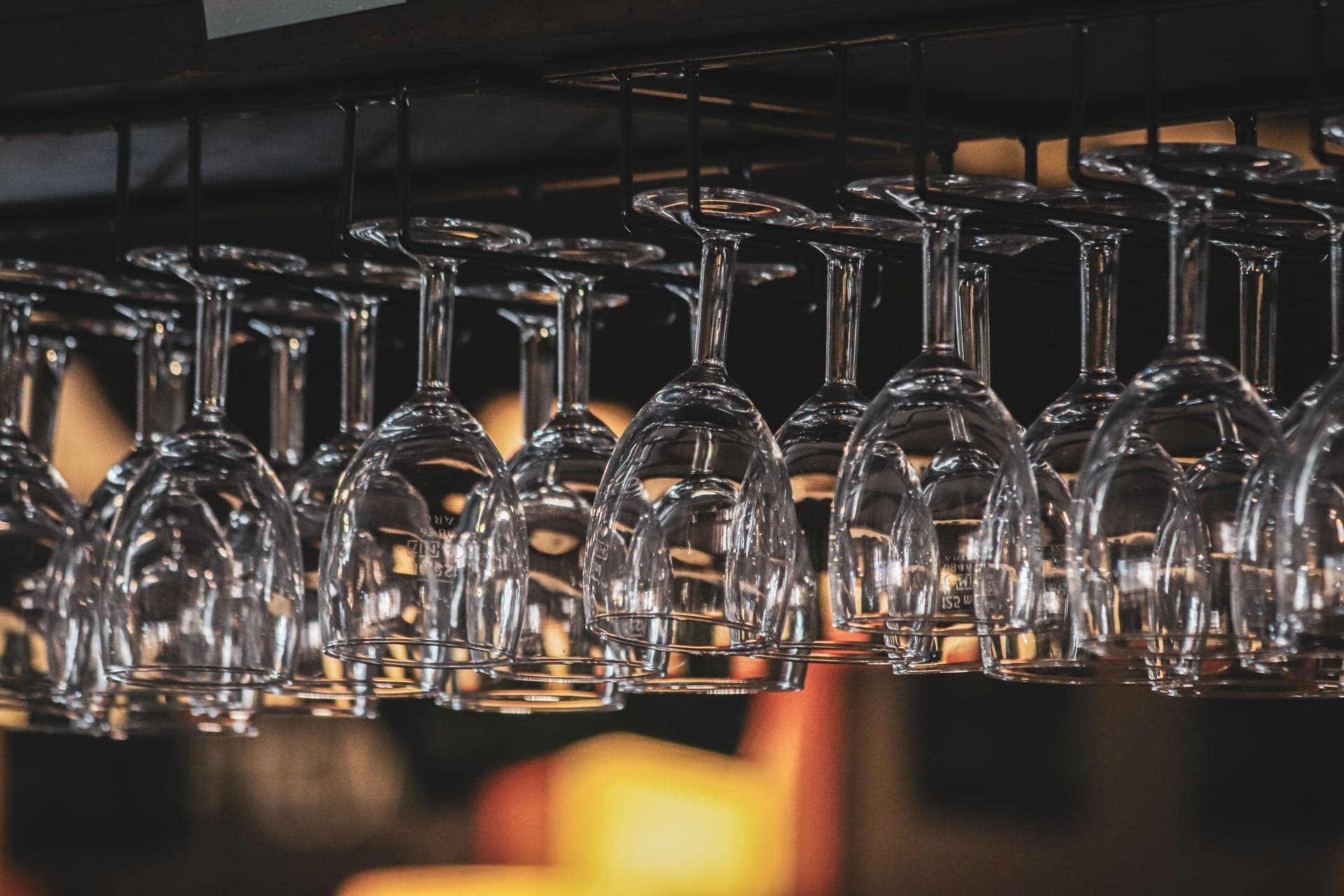
Wine glass racks, and what actually mounts to a cart
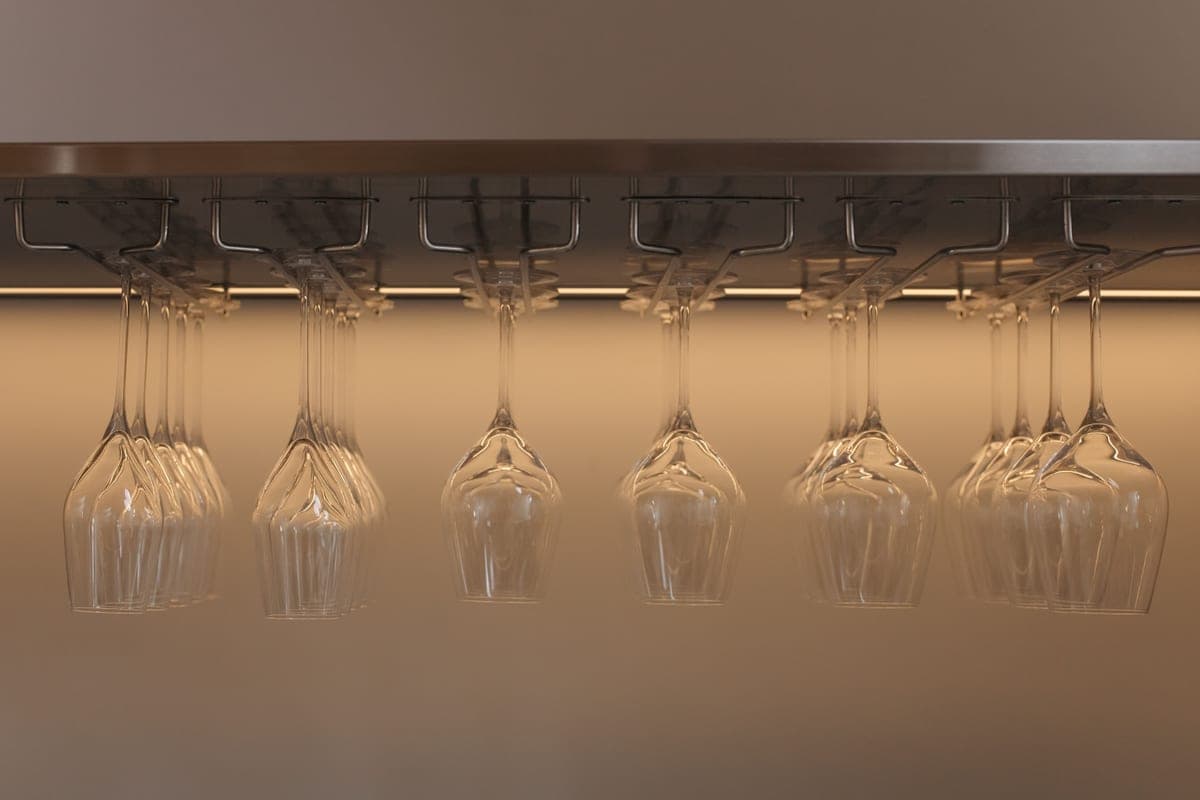
Four under-shelf stemware racks compared on width and capacity — and the carts that already have holders built in.
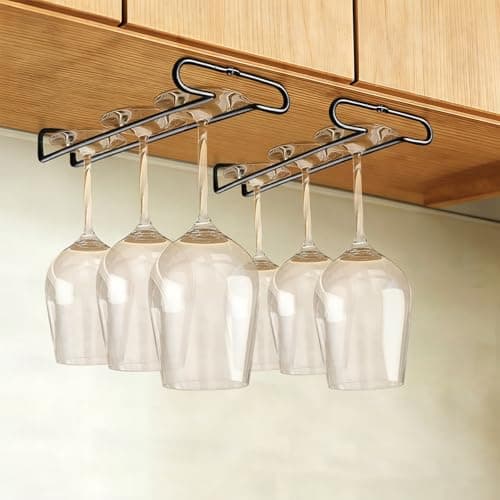
Top pick: GeLive Under-Shelf Wine Glass Rack, 10 inch, 2-Pack
#ad Disclosure · Price as of October 17, 2026
Working it out
Guides and comparisons

The rest of the argument
The shortest list that makes a cart a bar
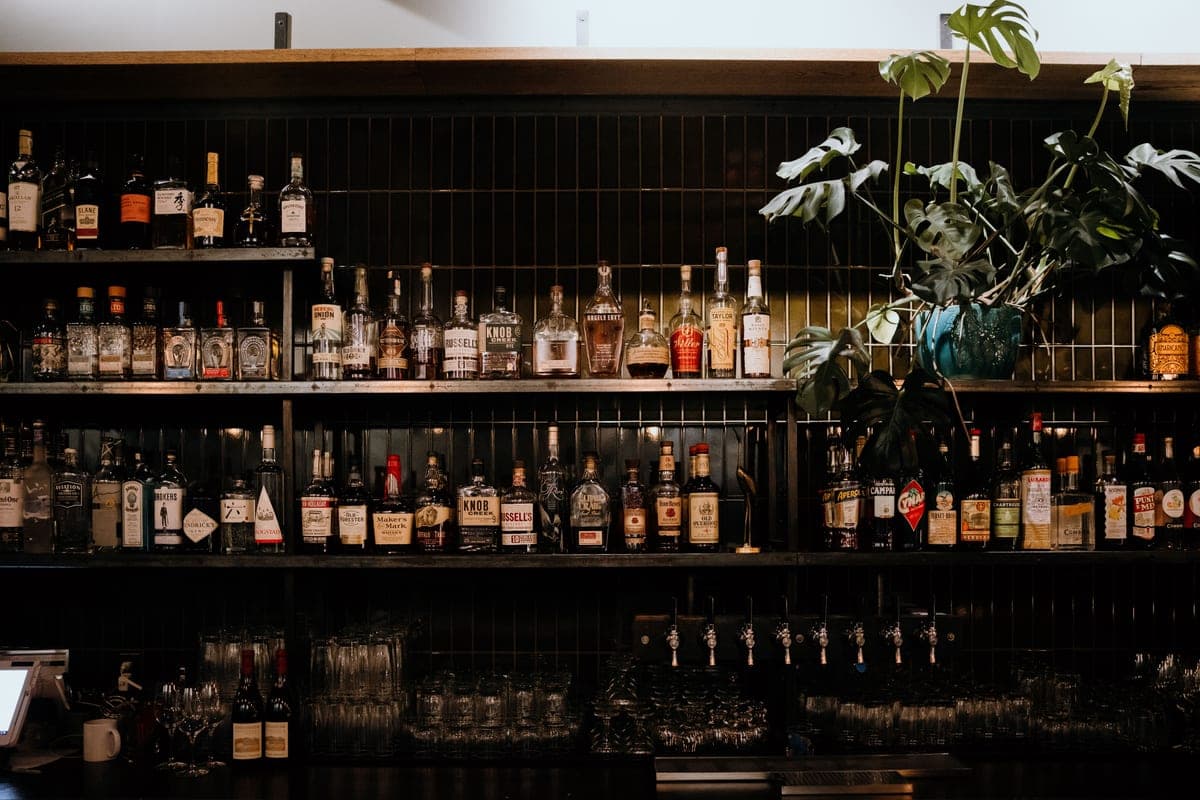
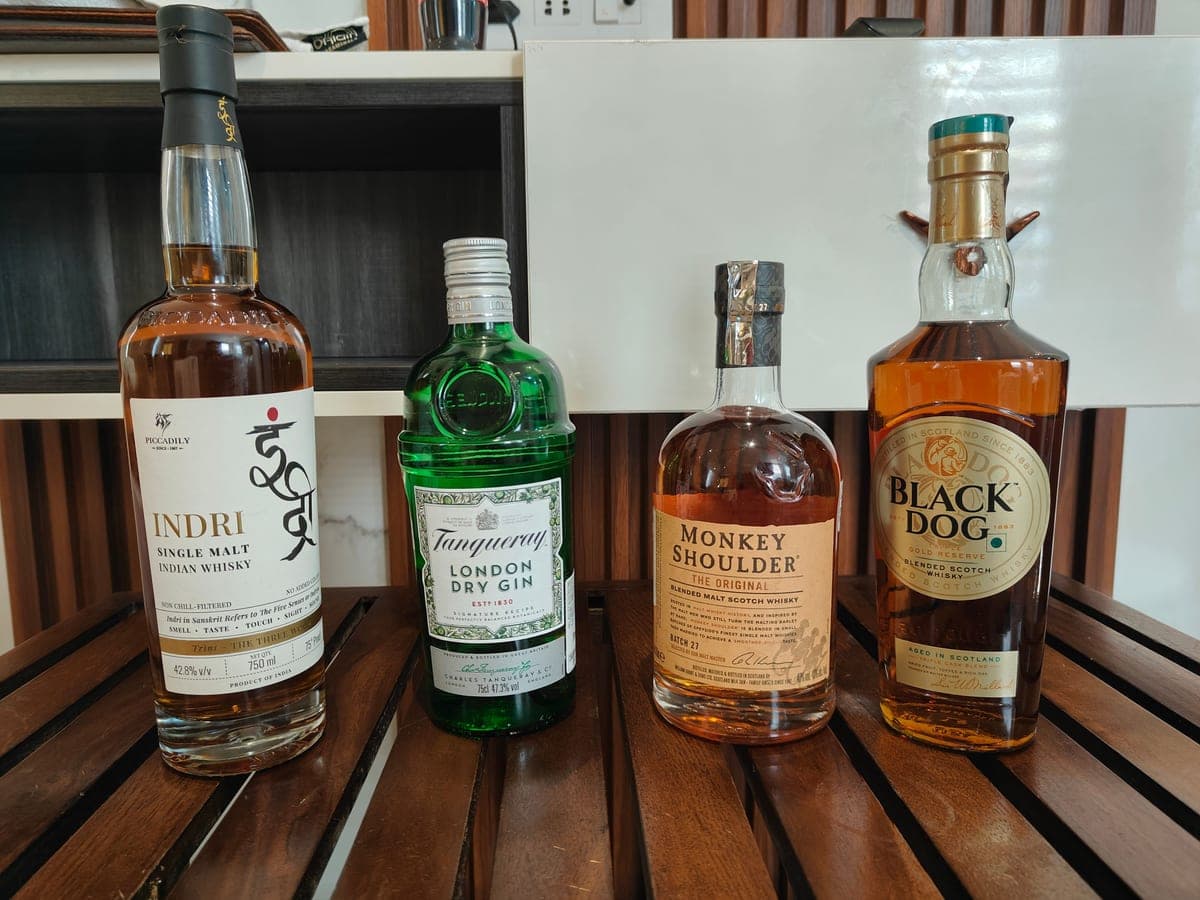
Six bottles, not sixteen. A working home bar is a base spirit you drink, a second you drink differently, a vermouth, a bitters, a citrus and something long to lengthen a drink with. That covers most of what anyone actually makes at home, and it fits on one shelf. The bottle list walks through the reasoning and, importantly, the order — because buying the sixth bottle first is how a cart ends up full of things nobody finishes.
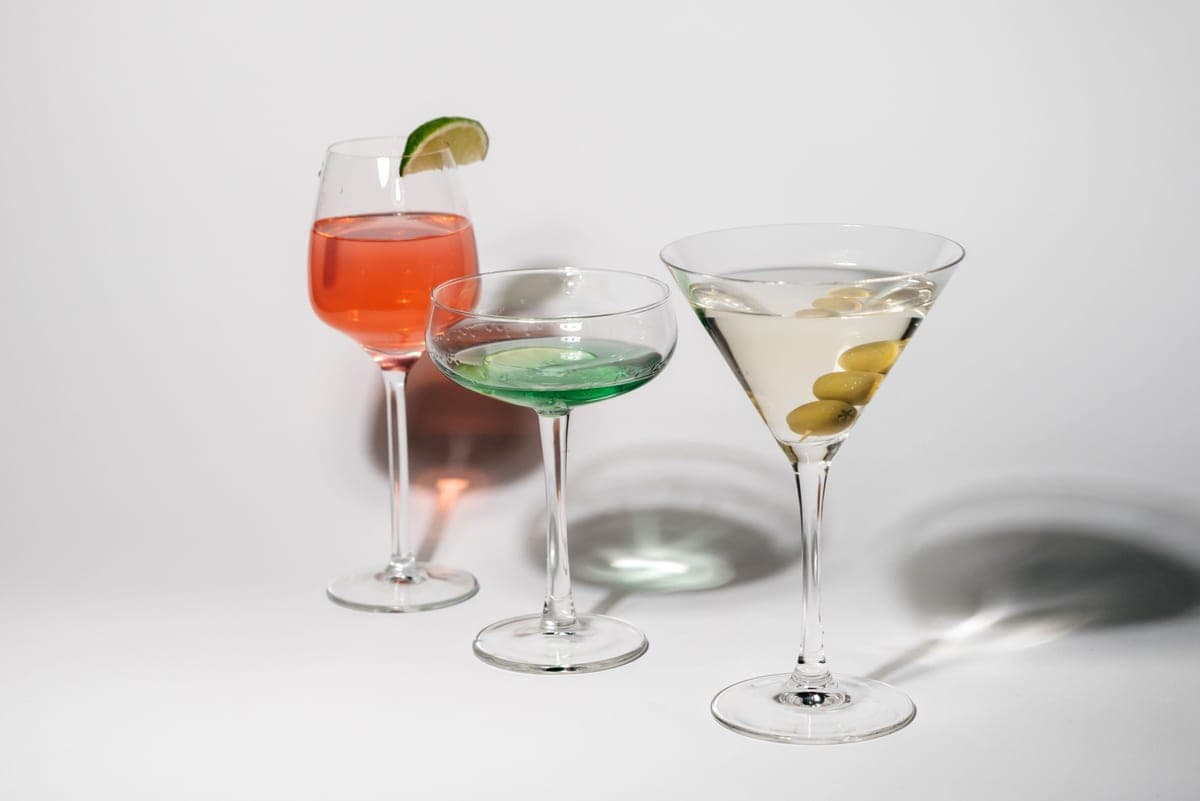
Two glass shapes, four of each. A 12 oz double old fashioned covers spirits neat, spirits on ice and anything short. A coupe covers everything served up. That is genuinely it for a home cart, and it is why the glassware roundup is organized by height rather than by prestige: the Libbey Embassy coupe is 4.5 inches tall and the Riedel Veritas is 6.69, and on a cart that difference decides which shelf they live on.
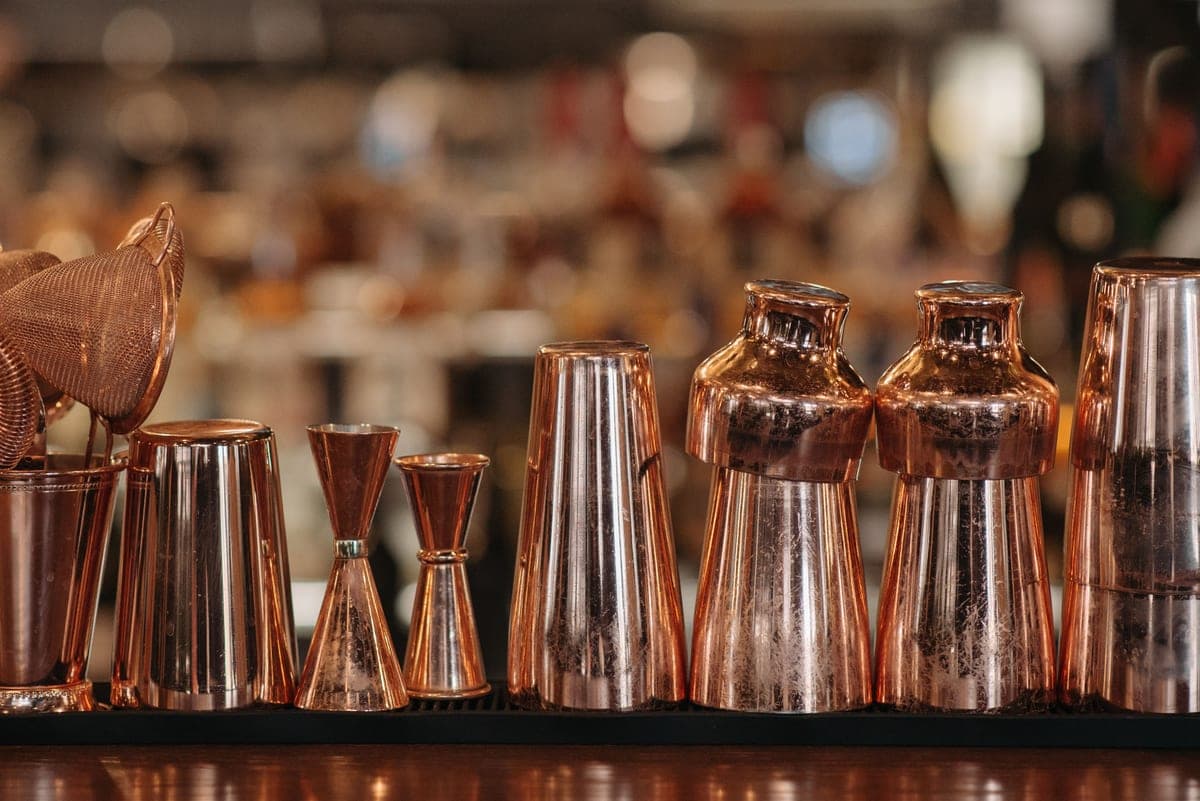
Five tools, and one of them is the only one that matters. A jigger is the difference between a drink you can repeat and a drink you got lucky with. A shaker, a strainer, a bar spoon and a muddler round it out. Thirteen-piece sets exist and they are mostly a stand and some pourers; the tools roundup compares them on footprint as well as contents, because a 12 inch stand on an 11 inch shelf is a problem regardless of what is in it.
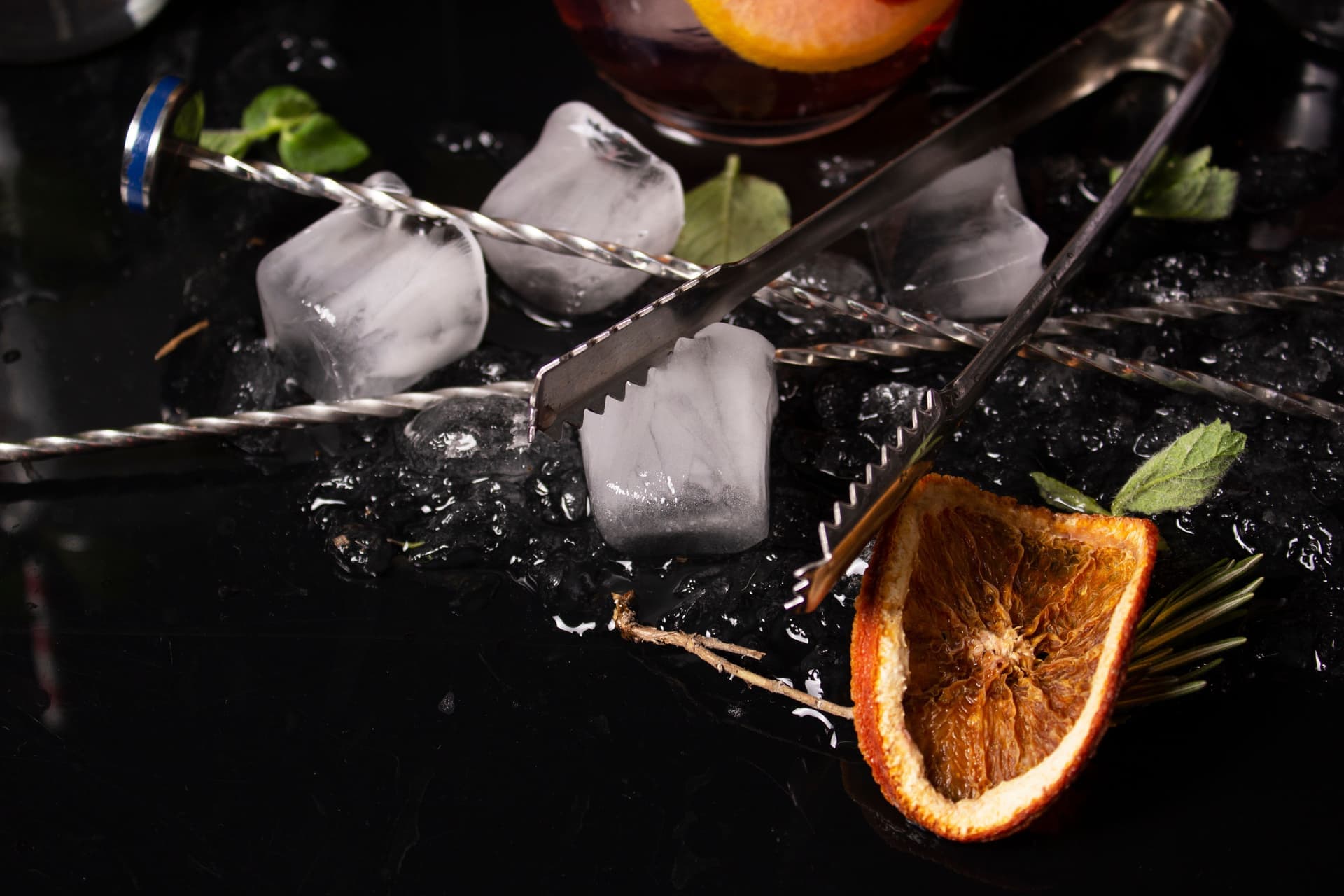
Ice is the thing people forget until it is a puddle. A double-walled bucket keeps ice through an evening; a single-walled one keeps it through a drink. Height matters more than capacity here — the buckets in our registry run from 8 to 10.4 inches tall for the same three quarts — and 10.4 inches will not stand under most middle shelves.
Once it is stocked, the question becomes where everything goes, which is a styling problem rather than a shopping one: what to put on it and how to style it pick up from here.
Every page in this section: How to stock a bar cart · Bar cart glassware, chosen by height · The bar tools worth owning · Ice buckets and tongs, sized to the shelf · The bar cart trays worth the money · How to set up a coffee bar cart · Coupe or martini glass? · What to put on a bar cart · The six-bottle starter list · How to store glasses on a bar cart · Whiskey decanters, chosen by height and capacity · Bar mats, and which ones fit a cart · Whiskey stones or big ice? · Nick and Nora or coupe? · Wine glass racks, and what actually mounts to a cart